This article includes graphic content.
It is often theorised by its citizens that Afghanistan is the graveyard of empires, and with the Hindukush mountain range as your ally, there is no wonder this theory stuck. The foot soldiers, generals and hoards of the ancient and modern militaries have, and will continue to fall short at the rugged untamed mountainous landscape that’s soil is stained with blood. Although they are a poor, and humble peoples, their land will not belong to those who come to take it from them.
It is true, the skeletons of Persian soldiers who fought for Cyrus the II lay side by side with those of Alexander the Great. That the legendary skilled horse riders of Genghis Khan are buried where the fallen Soviet soldiers of the cold war were killed by the infamous Mujahideen, and of course more recently, the modern armies of America and its Allies fought and died in this blood soaked land.
It is my analysis though that breaks this rhetoric of invincibility. That Afghan is not the graveyard of empires but a land of colonial expansion.
First it was the Persians who conquered Afghanistan, then it was Alexander the Great in 330bc. 1000 years after than Genghis Khan invaded, 500 years after that, the British and the Russians. Then in more recent history, Afghanistan was held by America and its allies for twenty years.
It’s holding Afghanistan that seems to be the problem for invaders, not taking it.
Even now, Afghanistan has been hijacked by an illegitimate government that practices terror, violence and manipulation as a tool of governance. The Taliban holds the people of Afghanistan in his firm grasp, in the other hand a knife at their throat.
This does not show a land of immortality, as the people are held hostage to the whims of Islamic extremists. It shows once again that Afghanistan has been conquered by its invaders, only these ones are domestic.
Once a land of Zoroastrianism, one of the oldest monotheist religions arriving from Parisian, Afghanistan has seen religion pass through it as violently as the rest of it’s history. Buddhism, arriving shortly after the fall of Zoroastrianism and in the 7th century, the arrival of Islam proclaimed its foothold, and has since grown to a 99.7% demographic across the country.
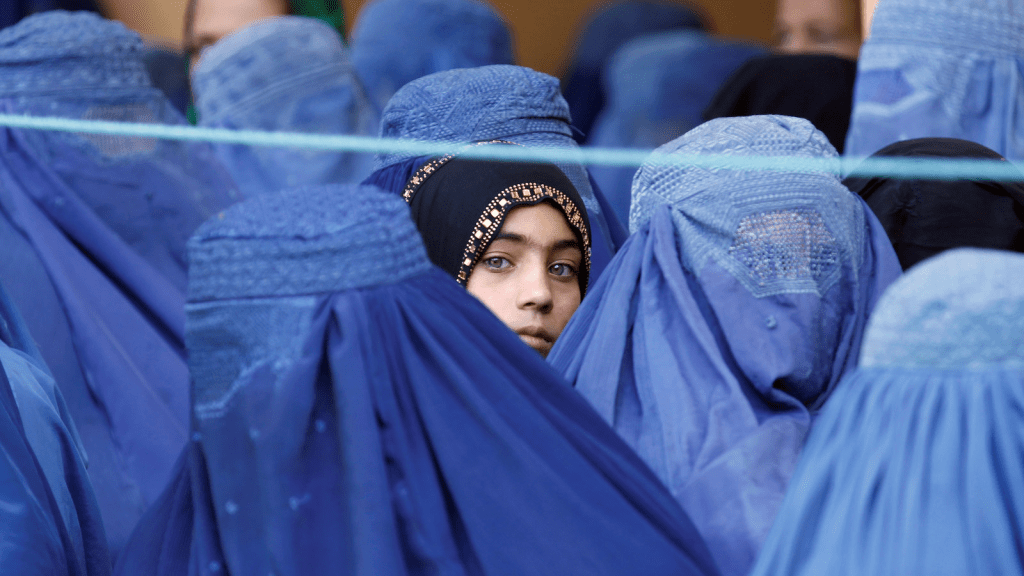
The horrors of the Taliban rule are unprecedented. Right now the United Nations have called upon the world stage to donate $650m dollars in aid to combat the growing hunger unprecedented that has befallen the people of Afghanistan. Over half the population of the country has been bullied into silence, as laws ban woman from speaking in public. Woman can no longer educate themselves or be educated by a school or university, they are forced into marriages at a young age and have been subjected to a life under the Burka.
Torture, rape and kidnapping are a common use of force by the authoritarian tribal Islamic extremist group that govern this land.
Here at Uncharted Thoughts, I have decided to delve deeper into the reality of those living in Afghanistan, and those that have fled its boarders for the surrounding countries.
I recently had the pleasure to interview some of the bravest woman on earth. Woman who have been tortured, maimed and persecuted at the hands of this extremist ideological authoritarian group of religious zealots.
All the participants in this article have given Uncharted Thoughts their permission to be identifies and have their interviews published. It has been a hard choice to make, whether to allow the names, dates and locations of these interviews to become public, or if I should leave them as pseudonyms.
It all came down to this… will hiding the names of these woman fleeing the Taliban really save them from their brutal regime? The answer is no. But naming them, showing them as the wonderful, brave people they are could. So therefore the name of the people and the places in this post has not be altered, in hopes you can see the human behind the story, and that international awareness and action can take place.
Nadia – A life of strength and resilience.
Nadia, like many other new-borns across Afghanistan in the early 00’s, was welcomed into the world with a spectacular view. Ghazni, a city situated 148 kilo-meters to the South West of the capital Kabul was home to her and her large loving family.
The landscape is dry, an almost desert like platue that stretches out flat to the Southwest across the Ghazni province. A gigantic valley that supports the flow of the Tarnak river which descend from high up in Hindukush, finding its resting place in the Helmand lake region, bordering Iran.
From areal photographs, you can watch as the river carves its way through the desert, leaving a trail of lush vegetation in its wake. Water truly is the life line of civilisation.
To the North, the mountains swallow the skyline like gigantic sandstone blocks, structures of benevolent beauty.
While this may sound a dreamy landscape to be born into, and under other circumstances no doubt it would be, unfortunately for Nadia, and half of the lands population, she was born a girl.
While under the 20 year watchful eye of the US and its allies, Nadia was able to attend school. Her sisters worked, one elevating herself to become a lawyer in Afghanistan, her family live in relative peace.
That was until the Taliban take over Afghanistan on August 20th 2021, following the withdrawal of the United States of America and NATO. A catastrophic military and political decision that resulted in a collapse of Afghanistan’s legitimate governance and the rise in Taliban rule. The rights of its citizens have become almost non existent.
“Like all other girls in Afghanistan I was [prohibited] from school and couldn’t continue my study, only because of my gender”. – Nadia
Nadia’s dreams were crushed, her schooling was cut short in her 12th grade, and at the young age of 16, her life took a dark and painful turn.
Her father had already been murdered by the Taliban in 2019. He was the representative of their village, a man who was responsible for it’s wellbeing and development.
Following her fathers murder, Nadia, her mother and siblings had to live off her older sisters income.
“My oldest sister was our only [financial] supporter since the rest of us were still students and had no income. She was the only one who was working in our family. My other Siblings and I were students. After the Taliban came to power in Afghanistan we couldn’t continue our study and school, my sister lost her job too, we lost our everything. My father’s murderers came to power and we had to hide for a while since they were looking for us”. – Nadia
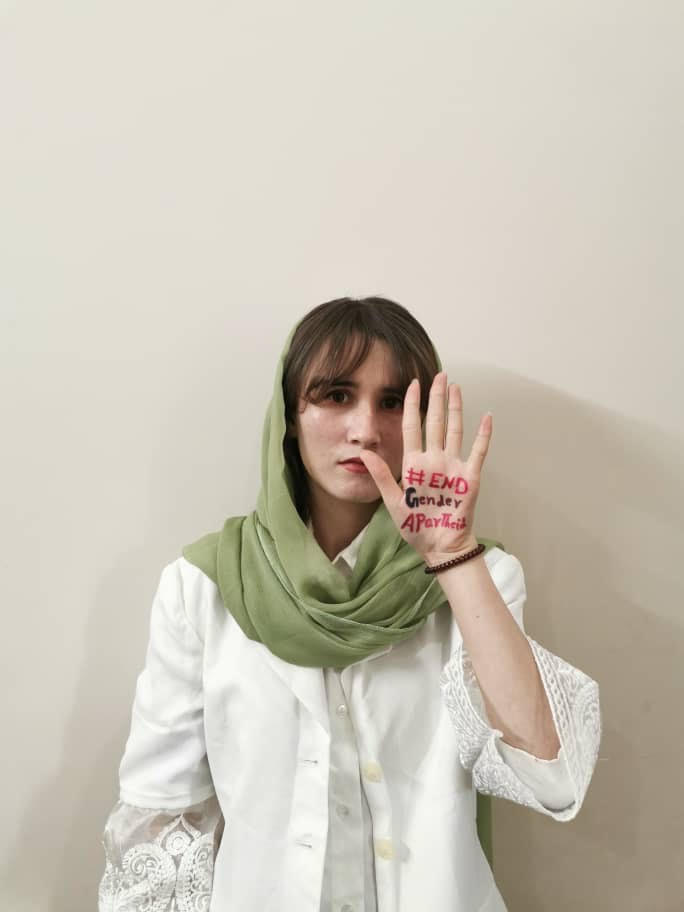
The Taliban were not only purging universities and schools of female scholars, they took their gender apartheid into the work place.
According to the Independent, following the 2021 Taliban takeover, women were barred from ‘studying, working, going to a salon, gym, midwifery, and even speaking or praying in public’.
With such a prejudice towards half the countries work force, the economic toll on the Afghani people is astronomical. According to The World Bank ‘Poverty and
unemployment are widespread, purchasing power is weak, and the outlook is constrained by policy
uncertainty, limited financial access, and structural deficiencies’.
With the male patriarch murdered, and the next male in line to the family being to young to work. Financial difficulties shallowed Nadia and her family into grief and poverty.
“After a month [following the Taliban take over 2021] we came to Kabul my youngest brother stopped going to school and got to work in a restaurant to bring us some food but it wasn’t enough even for him self”. – Nadia
The empowerment of women is more than just the ability to reduce modern slavery, enable woman to become independent from the cycle of pregnant, mother, pregnant, mother. It can impact the countries poverty line dramatically. Perhaps female empowerment will not cure poverty, as some suggest, but it will determine that woman can provide a second income to a household.
While the youth in the West argues over the right amount of female sexual encounters for a woman to be deemed a whore, conversations led by bald men with a power complex. The rest of the world fights the battle of true feminism. The sexual and financial empowerment of woman.
The Taliban’s hatred towards women is found in their zealot belief that ‘Their ultimate goal in life is to enter Heaven in the afterlife, which can only be achieved by being righteous, pious, and virtuous, and therefore, they must practice what is deemed a virtue while avoiding vice’ (Newsweek).
This, the consistent bombardment of conflict in its boarders, mixed with traditional Afghani patriarchal systems of tribalism has caused the country to descend into a hellish land of oppression and perversion.
“There is only one cure for world poverty that’s ever been found and ever will be, and it’s very simple. It’s called the empowerment of woman” – Christopher Hitchens
Nadia is brave and strong. Her rights to education were taken, her father was taken from her by zealot fundamentalists, her siblings starved and impoverished. So she decided that it was time to make a stand.
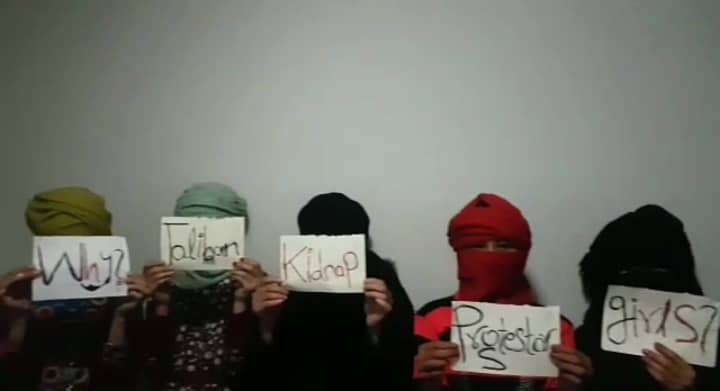
“My sisters and I decided to begin protest against the Taliban rules to least to fight for our human rights, we joined the protester women and we started our protests on 09/08/ 2021 against the Taliban, our first day of protest began from Dashat-e-Barchi Kabul. After many months the Taliban started arresting the protester women from our group, we all were in danger of arresting and had to hide in a friend house for a while”. – Nadia
While in hiding, Nadia was still living from the food and wages her brother was able to accumulate from his poorly paid restaurant job.
“On December 4th 2021 the Taliban shoot my brother in front of their police station. His foot was injured, it happened when he was coming back from [the] restaurant that he was working. He got shoot due to [the fact he] didn’t prevent us from protest against them just to send us this message that we should stop otherwise they will do anything.” – Nadia
Her brother survived the attack, but remains traumatized.
These tactics of violent torment are common among the ranks of the unofficial government of Afghanistan. The Taliban’s use of torture, beating, flogging and execution are well known internationally. In 2022, the BBC reported gun shots and beatings at a woman’s rights protest in Kabul. Stating that ‘Twelve people, including three women, have been flogged in front of thousands of onlookers at a football stadium in Afghanistan. The men and women received between 21 and 39 lashes each. The maximum number a person can receive is 39, another Taliban official said.’ (BBC).
The UN Universal Declaration of Human Rights, article 5, states that ‘No one shall be subjected to torture or to cruel, inhuman or degrading treatment or punishment’ (UN). This is one of many human rights articles the Taliban has broken in its occupation of Afghanistan, many of which will sadly be featured in this article.
“On 27/03/2024/ my Siblings and I were arrested by the Taliban around 6:00PM from our house in Kabul-Dashat-e-Barchi. The Taliban tortured us very bad when we were in prison. Almost the whole time that we been there there was no time without torture, because of our protests and our ethnicity”. – Nadia
It should be reminded here, though I doubt it need be, the UN’s official definition of torture. ‘The term “torture” means any act by which severe pain or suffering, whether physical or mental, is intentionally inflicted on a person for such purposes as obtaining from him or a third person information or a confession, punishing him for an act he or a third person has committed or is suspected of having committed, or intimidating or coercing him or a third person, or for any reason based on discrimination of any kind, when such pain or suffering is inflicted by or at the instigation of or with the consent or acquiescence of a public official or other person acting in an official capacity. It does not include pain or suffering arising only from, inherent in or incidental to lawful sanctions’ (UN).
While conducting these interviews, similarities often occurred. One of these, was the torture, maiming and abuse that women suffered under their wrongful imprisonment by the Taliban.
“We were brutally beaten, threatened, humiliated, and tortured by the Taliban. They used the butts of their rifles, their fists, their boots, and anything they could find to beat us. They held our heads under cold water, pulled our hair, and threatened us in the most degrading ways. The Taliban told us if we talk to the media or any one about what happened in the prison to us or have any activity against them again they will kill all of us and our family.” – Nadia
UN Article 2 of the Convention against Torture and Other Cruel, Inhuman or Degrading Treatment or Punishment states ‘No exceptional circumstances whatsoever, whether a state of war or a threat of war, internal political instability or any other public emergency, may be invoked as a justification of torture’.
It should be recognized that since 1946, Afghanistan has been a member of the United Nations.
Although each story in this tale of oppression and struggle is unique. Nadia’s, has a component often overlooked. Nadia is Hazara.
Afghanistan is made up of many ethnic demographics. The Pashtun, making up the majority of its 44 million (Worldometer) followed by the Tajik. Join third place, are the Hazara and the Uzbeks (World Population Review).
Known also as the Hazarajat, the Hazara people Persian, often with Mongolian and Turkic words within its dialect making it Hazaragi. It is often theorized that they are the decedents of the Great Khans military conquest.
Today though, the Hazara, Nadia, are a people torn apart by conflict and oppression.
“Because of our ethnicity. Because we are Hazara. They called us “whores” and “worthless”, and told us we can never be free again.” – Nadia.
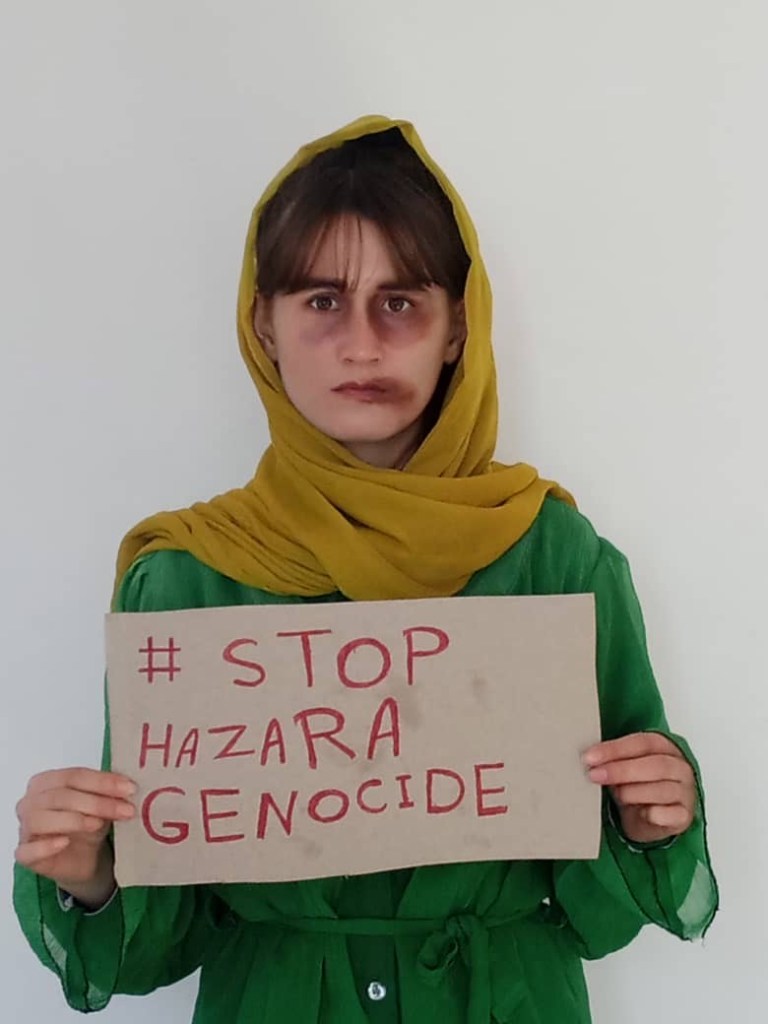
Claims of ethnic persecutions and targeted attacks are common within the Afghan community. In 2021, the BBC investigated these claims and suggested that ‘The Taliban recently “massacred” and brutally tortured several members of the Hazara minority in Afghanistan, says human rights group Amnesty International’ (BBC).
In another investigation the BBC claims that ‘The Taliban murdered 13 ethnic Hazara people including a teenage girl’ (BBC).
Hazara are predominantly Shi’a Muslim. With Islamic extremists, of whom are almost entirely Sunni, occupying the country, this has created further persecution. The Taliban and other radical Sunni Islamists, believe that the Shi’a are ‘not true Muslims, that instead they are heretics, and thus that it is appropriate to try to wipe them out’ (ThoughtCo).
The International Association of Genocide Scholars (IAGS) proclaims that ‘Genocide means any of the following acts committed with intent to destroy, in whole or in part, a national, ethnical, racial or religious group, as such: Killing members of the group.
If the claims of killing individuals because of their ethnicity are true, this is genocide.
Nadia escaped her persecution in Afghanistan into neighboring Pakistan in 05/04/2024 following the torture and arrest she and her family sustained.
“I fled to Pakistan in hopes of living a humane life, simply to survive and find peace. After all those tortured dark days in the prison we still continue our fight and we will continue this fight until we get our human rights..” – Nadia
Migration between Pakistan and Afghanistan is a long and complex issue. With decades of conflict, economic turmoil and natural disasters, Afghans have migrated across the globe.
Iran, Syria, Turkey, and some European countries have all been hotspots for Afghan refugees fleeing the Taliban. Some have been destitute since the 2001 invasion, others since the 2021 occupation. Others go back as far as the Russian invasion in the winter of 1979.
It is estimated that in Pakistan alone, holds 3 million Afghan refugees. 1.3 of which have crossed the boarder since the 2021 Taliban occupation.
Nadia, and her family wished for a peaceful life in Pakistan. To be refugees accepted by the country, unfortunately her strength and resilience was to be tested once again.
“However, life in Pakistan has been extremely difficult. We live in uncertainty, with each day filled with stress and fear of deportation and an unknown future. Pakistan is not safe either — journalists and protesters are also targeted, and the Pakistani government continues to expel Afghan refugees. We cannot even leave our home without fear, as we might be detained and forcibly returned to Afghanistan.” – Nadia
On the 3rd of October 2023, Pakistan’s government introduced the Illegal Foreigners Repatriation Program. A policy that engages in targeting the Afghan refugees that have crossed the boarder and settled.
According to Aljazeera the crackdown and deportation of Afghan refugees ‘boils down to its national security’ (Aljazeera). It comes to no surprise that having a terrorist, blood thirsty, morally wicked and structurally unsounds political regime controlling your neighbouring country causes all sorts of issues, and Pakistan’s government is upheld to keep its citizens and boarders safe.
While Pakistan’s alliance to Afghanistan is a subject for debate, it is yet to recognise the Taliban as a legitimate governing body (House of Commons), tensions between the two nations has increased since 2021 due to the emergence of the TTP (Tehrik-e-Taliban Pakistan) and disputes over water ownership and redirection. However, has been suspected of hiding international criminals in its boarders and have had a history of ‘soliciting funding for the Taliban, bankrolling Taliban operations, providing diplomatic support as the Taliban’s virtual emissaries abroad, arranging training for Taliban fighters, recruiting skilled and unskilled manpower to serve in Taliban armies, planning and directing offensives, providing and facilitating shipments of ammunition and fuel, and on several occasions apparently directly providing combat support’ (Human Rights Watch)
The increasing threat Taliban sympathisers within Pakistan’s boarders is overwhelming. ‘Former Pakistani Minister for Interior Affairs, Sarfraz Bugti claimed that 14 out of 24 suicide bombings that occurred in Pakistan in 2023 were perpetrated by Afghan nationals’ (CIR). These claims have applied pressure to the Pakistan government. Their solution to this issue? Mass deportation of all Afghani refugees and illegal immigrants.
Nadia lives every day in Pakistan in fear for her life, and the life of her siblings. For her, and so many others, deportation means death.
“On one hand, we faced economic hardship and security threats; on the other, we were burdened by emotional trauma and societal judgment. But I endured it all, and eventually accepted that people will always have something to say — I had to learn to live with that.” – Nadia
However, the torture, and bullets of the Taliban is not the only threat to human life in Afghanistan. Due to the Taliban’s inefficacy to govern, its population has become a mass of malnourished, underfed, impoverished and drug fuelled illiterate unskilled citizens.
Death at the hands of the Taliban is minor in comparison to the deaths caused by these other social issues. With the average life expectancy rate being 57 for males and 61 for females (2021), a astronomically high death toll in child birth deaths (Worldbank) and 3.2 million children living with or dying because of malnutrition and starvation (BBC).
Nadia isn’t just fleeing religious madness, she is fleeing forced marriage, death in childbirth, the trauma of her unconceived child’s death, starvation, and a society of crime and drug abuse (Beyond Barriers).
Nadia and her family were arrested in February of 2025 in Pakistan. She was taken to the ‘Haji Camp detention centre’ in Karachi, south Pakistan.
“I tried to explain my situation to the police and pleaded with them not to detain or deport us, but they still took us to the camp. Every moment there, I lived in terror, unable to find even a shred of peace. Eventually, my family and I were released after paying a sum of money, and we fled Islamabad. Due to my past imprisonment by the Taliban, the constant risk of deportation, and our uncertain status, I have been suffering from depression and severe psychological distress for a long time.
I escaped to Pakistan hoping for improvement and peace — but the reality has only made things worse.” – Nadia
Nadia was freed from the detention camp, and fled to Islamabad, where she remains now in hiding. Her freedom from the detention centre was granted to her and her family following a financial transaction. It is unclear if this payment was a bride to an official or if it was a legitimate payment to a legitimate government scheme.
Nadia’s situation is uncertain, with Pakistan heading into its second stage of mass deportation and the rising economic and political instability in Afghanistan, there is a chance that in the next coming weeks she will be handed back into the hands of her fathers killers.
Nadia, much like all of the women I have interviewed so far, is incredibly brave, beyond comprehension. Her knowledge and understanding of what is right and what is wrong is unwavering. I asked her ‘Where do you find the courage? How do you keep going?” she replied.
“What has kept me going is the support of my family and the sight of my mother finding peace again. More importantly, I no longer care how people judge me. What matters is that today, I am proud of myself — for surviving, for staying strong, and for not giving up. Although I am heartbroken that I was unable to continue my education and pursue the goals I had dreamed of for years, and nothing can make up for the four years of my life that I lost, what gives me hope is that I stood firm in the face of injustice. Whenever I look back, I vividly remember the pain and wounds of my past — it hurts deeply, but alongside those wounds, I also see my strength. I am proud that I did not surrender to oppression. It is perhaps that sense of resilience and hope that has kept me going, even in the face of all the hardship and suffering.” – Nadia
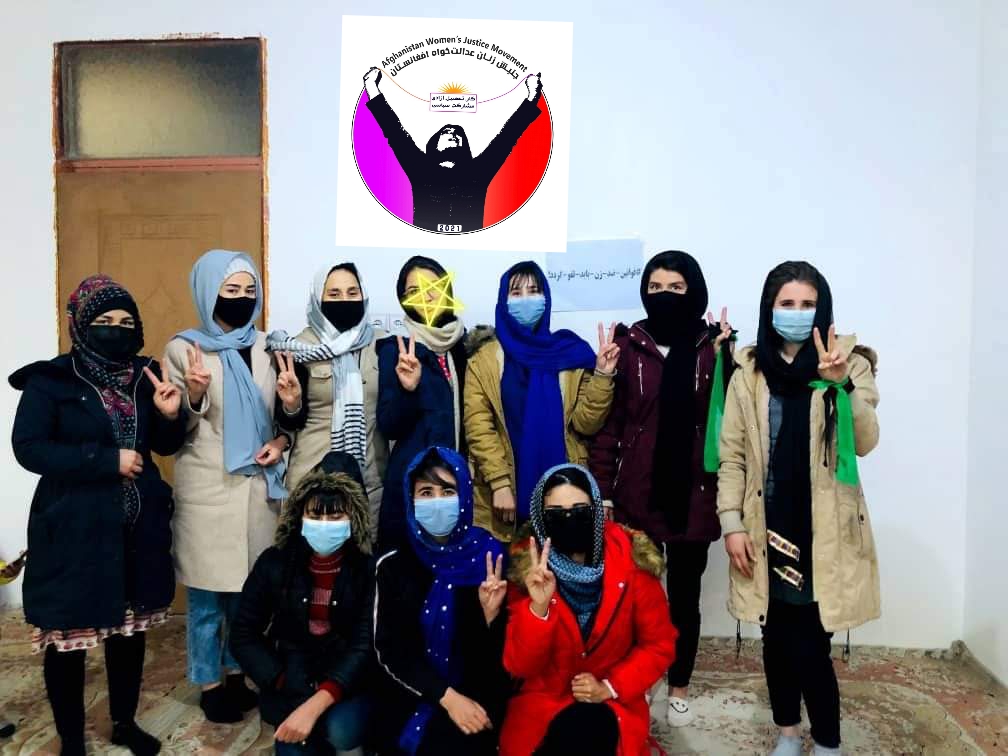
Darya – A rebelious scholar
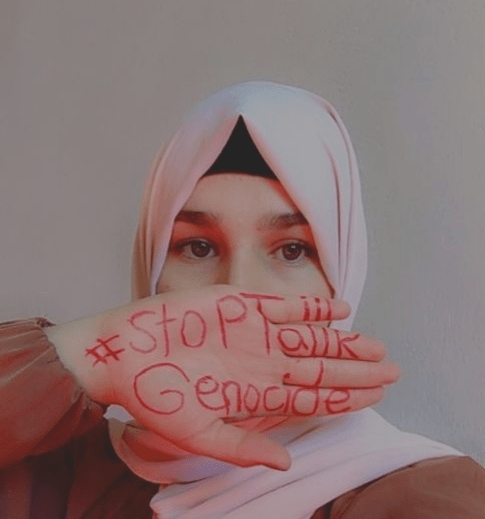
The grips of Taliban oppression does not end in the major cities and towns of Afghanistan. Its vile, inhuman tentacle has managed to slithered its way across every terrain and barrier its diverse landscape has to offer, violating the country and it’s people by twisting the words of the Quran to fit their warped, depraved vision of Islam.
It is the opinion of the Taliban that power, strength and prestige of conquest trumps humanitarianism, civil rights and equality. That the continuation and promotion of Islam and its prophet’s message is all that matters, rather than feeding its people, or supplying basic infrastructure, or educational pursuits. In a land occupied by these religious lunatics, religion takes precedence over feeding its population.
Although conquerable, history repeats that it is only those born in Afghanistan can hold Afghanistan. The Taliban were born here following the collapse of the Soviets occupation of the country in 1989. The hills, desert plateaus and mountains have been their home ground ever since, and they have proven time and time again that they know it well.
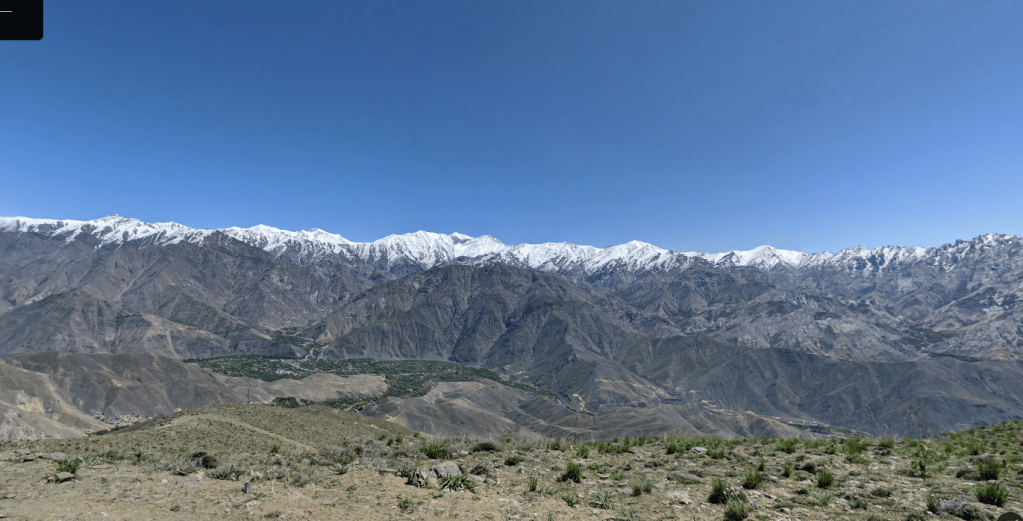
Darya was born in 1997 in the mountainous region of Panjshir. A large valley that connects central Afghanistan to it’s most northern province, the legendary Badakhshan to its North Eastern neighbour Tajikistan.
Panjshir’s valley is split by an ice cold river of the same name, which is sourced by gigantic glaciers, mountain lakes and the snow capped mountains in the Hindukush, western Karakoram range and Himalayan mountains. The rooftop of the world that collide on its north-western doorstep.
The most southern tip of the valley opens into a vast landscape of farmland. The cool waters that pass through Darya’s village rushed into the Jabul Saraj district where farming and agriculture blooms due to the natural fresh glacier waters from the North and its flat, well irrigated water ways.
Darya’s village is beautiful. Nestled in green pastures under snow powdered mountains. Under any other geopolitical circumstance, this valley would be teeming with tourists, hikers, climbers and gliders would arrive in droves, with guides, hostels and restaurants all at their disposal. The potential for financial growth in Afghanistan is astronomical, yet politics, religion and tribal conflict have managed to destroy an otherwise tourist hotspot.
Darya’s family was large (in comparison to modern European norms), her mother, father, four sisters and two brothers shared a modest home and like children all over the world, she played outside with her peers and sisters under the watchful eyes of the mountains canopy.
“When I was first sent to first grade, everything was normal. It was a child’s life with all its joys.” – Darya
Darya was a rebellious child, her eyes were fixed on education, and being from a traditional family it was largely unheard of that girls would attend school, let alone university.
Despite major setbacks from some of her family, and the family of her then husband, Darya excelled in education. She remained at the top of the class throughout her studies and even volunteered as a teacher in the lower years.
“I was also one of the excellent students. Sometimes, to encourage me to teach, our school principal would send me to classes lower than mine to teach. I was one of [their] favourite students. I was a competent, punctual and successful teacher in the eyes of our school principal, and my students were more interested in me than I thought.” – Darya
It is said in the Quran that “Seeking knowledge is a duty upon every Muslim, and he who imparts knowledge to those who do not deserve it, is like one who puts a necklace of jewels, pearls and gold around the neck of swines” (Sunan Ibn Majah 224).
Darya pursued knowledge, learning and justice in everything she did. So much so, she helped with the development of education for girls in her own community.
“I was the only rebellious child in my family due to my interest in education. The society I lived in was very traditional and opposed to education and schooling for girls. These oppositions made me more determined to pursue education every day. I was able to finish school in Panjshir province with thousands of obstacles. After finishing school, I managed to get into Panjshir University with great efforts. After starting university, I studied at the same time and taught at the school where I studied. My only desire was to support girls and make the path I took more convenient for others. Until the Taliban took over Afghanistan and suddenly I lost everything.” – Darya
Before the Taliban’s recapture of Afghanistan in 2021. Although under the watchful eyes of American troops and the United Nations, barriers were still in place for girls across the country. One of those being forced child marriage. Darya was one of the thousands subjected to this primitive act.
Just last week the world stood still as a man (45), married a girl (6) in the Helmand province of Afghanistan (The Khaama Press). It is suggested that the girl’s family agreed to the marriage in exchange for money, raising serious concerns about child exploitation and abuse. With the rise of poverty, comes the rise in child exploitation.
In April this year, a young woman named Abida (meaning worshipper or devoted to God) committed suicide by self-immolation following the forced marriage to a Taliban official.
It is suggested by The Child Marriage Data porthole that 1.4 million children in Afghanistan are married before their 15th birthday, an additional 4.1 million before their 18th.
Statistics on this subject vary. Some of the data has failed to be updated due to the Taliban’s firm grip on restricting information being passed from within the nation to the international community. Some suggest that these statistics could be much hire.
“When I was in the 7th grade, I was forced by my family to get engaged. [my husbands] family was also not literate. They were preventing me [from education], and I had understood that if I put myself at the mercy of the authorities, I would be deprived of everything. After many family problems and mental pressures, I still chose to go to school, and my family decided to separate us, and I stayed, and the same social stigma that bothered me more than before, that she [I] was a divorced girl, wanted to study, but in the end, she would not get anywhere. Every day, I was seen by those around me as a divorced woman, even though I was no more than 15 years old.” – Darya
Darya had to choose. To be married and silent, or divorced and educated.
With the warrior spirt of the Afghans running through her, she chose to remain educated. To follow her dreams to help create an educated land, with women at its centre.
This may seem like an easy choice to those with the freedoms of Europe and the West, but in Afghanistan, and South Asia, the stigma of a divorced woman is one held by misogyny, possession and sexual insecurities (BBC).
At the age of 15 Darya entered a life of discrimination and social out casting. A divorced girl, educated, and stubborn, everything the Taliban feared.
“Every day, I was seen by those around me as a divorced woman, even though I was no more than 15 years old. I was seen and ignored by people.” – Darya
Darya was 20 when America withdrew from Afghanistan and left its people to their fate.
This decision was made by then president Joe Biden, a sceptic of the Afghanistan war. Biden seemed convinced that the Taliban had no interest in subjecting the United States, or the west, to an Islamic jihad. That the Taliban were a lesser of two evils and the American tax payer should not be funding a war in far off lands, a war that amounted to 2.313 trillion dollars to be exact (Brown University).
I asked her “Do you remember the day the Taliban retook the country in 2021?” She replied;
“When the Taliban came to Panjshir, we fled to the Panjshir Mountains for three days and nights to avoid being attacked by the Taliban. Many people were killed in Panjshir. The war was more disturbing than ever. The sound of bullets was disturbing”. – Darya
In 2022, the higher educations minister of the Taliban, Mullah Neda Mohammad Nadeem, banned women from universities in Afghanistan stating that it was “un-Islamic and against Afghan values” (BBC).
It is unclear where in the Quran it states that a woman is not to be educated and as a non Muslim and someone who has read all of four pages of the Quran it isn’t my place to converse the holy scriptures. So until a scholar can point out where the oppression of women’s education can be found in the Quran I stand by the fact this is misrepresented.
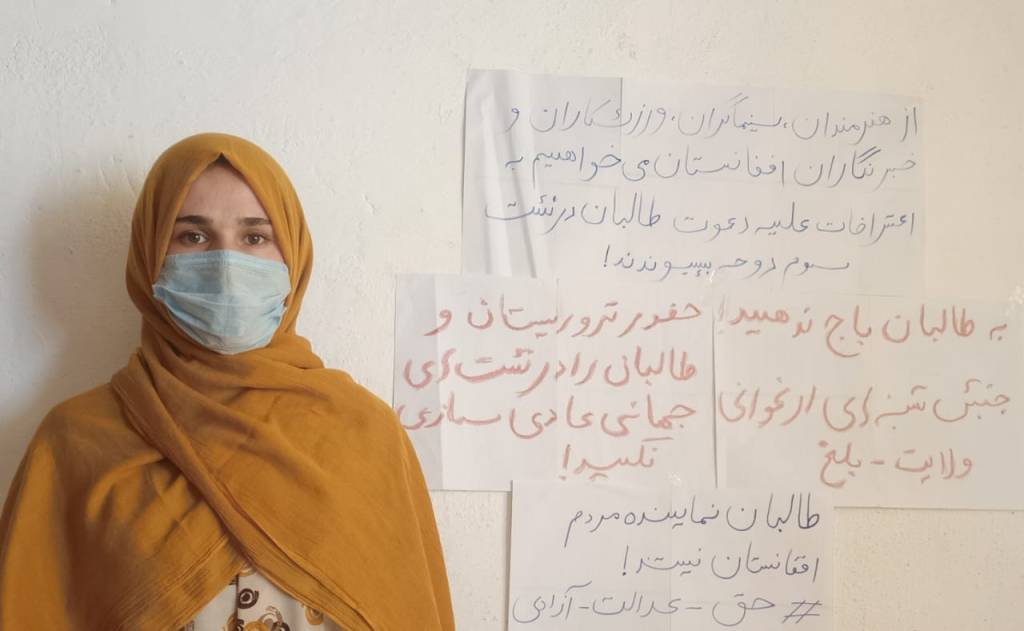
When the school gates closed Darya, and others, took to the streets to protest.
“At the beginning of my protest, many people gathered [with me]. Until our number decreased day by day due to the threats.” – Darya
To most of us, a land unlawfully governed by violent, well armed, fanatical religious group such as the Taliban is enough to keep our mouths shut in protest. To Darya, guns, fists and religious extremism was no permanent barrier, but a obstacle to overcome.
Her bravery, and the bravery of all the incredible women I interviewed shines through like a beacon of hope to others. She knows her rights, and the rights all humans deserve and refuses to bow to anything less than what she is granted by her existence.
“I continued and vowed to myself that I would fight until I died. Even if I was left alone, I would not silence my voice.” – Darya
It was the on the 21st of September 2022, sometime in early evening, just as the sun dipped under the mountains when they came for Darya and her family.
Men dressed in typical Taliban clothing, armed with weapons and a corrupted ideology surrounded their home.
Darya, and her siblings hid from the men. Fear crept into them as the door was smashed by a Taliban fighter.
“That night, I was so scared that I could not do anything. The Taliban took my father and brother to the field and broke my phone. The Taliban warned that if this matter became public, they would kill me and my family. They had threatened my father with death and asked him to work with [them] as a spy. When he refused, they beat him up. Parts of his face were bloody. When my mother approached, and asked what are you doing? They pointed a gun at him [father] and said, “Stand back.” My mother couldn’t do anything but cry.” – Darya
Darya was dragged from her home and thrown into a Taliban prison. Her crime? protesting for the empowerment and educated of Afghani women in her country.
There was no judiciary, no system of law and order, no prison inspection officers. Whatever little rights Darya possessed before the arrest were taken away from her as she hit the cold floor of the Taliban prison.
Afghanistan is ruled by Sharia Law. Sharia is religious law, in this case Islamic. It is law set by the teachings of a religious text, such as the Quran.
There are many issues with Sharia law, and many reasons why common law is far more superior.
Firstly, it can be misinterpreted. Much like the bible, or any other religious book. People can take words written hundreds of years ago and distort them into modern day context. Punishments such as beheading, once a common form of execution, is widely condemned by the UN and other humanitarian organisations.
But, in Sharia, the punishment of a book written hundreds of years ago is seen as acceptable, because ‘God’ said it was.
Secondly, Sharia struggles to develop. It is stuck in the compounds of old texts and interpretation. Whereas common law adapts as time passes, it moulds to society, rather than have society mould to the law.
If, there is no ruling or text regarding a crime in the Quran, then ‘a religious scholars may give rulings as guidance on a particular topic or question’. This leaves the interpretation of the law on the shoulders of men (almost completely men). So one scholar who may condemn a man to a large fine for stealing, another may decide that the mans hands be chopped off.
Darya awaited her punishment from a court governed by men (only) who practiced a kangaroo court, in a land were killing non Muslim’s is acceptable, and wedding children is encouraged.
“I spent a week in a cold prison without food. When they were interrogating me, they tortured my father in front of my eyes until I confessed to a crime and was released. There was a strange feeling between the fear of death and fear of getting out and facing people again, which was more hurtful, humiliating, and insulting.” – Darya
It is in rule 22, of the United Nations Standard Minimum Rules for the treatment of prisoners that ‘Every prisoner shall be provided by the prison administration at the
usual hours with food of nutritional value adequate for health and strength, of wholesome quality and well prepared and served’.
While imprisoned, Darya was subjected to more ‘interrogations’ and was tortured at the hands of her kidnappers. She sustained a head injury, that later, while under house arrest for six months caused her to develop a nervous disorder.
Darya was released, and soon after smuggled into Pakistan with one of her brothers, who had also sustained injury from a Taliban prison.
They were trafficked through the Spin Budledak pass. A desert landscape that connects the South of Afghanistan to Pakistan.
“When I stepped into the field of defending women’s rights, they called me a rebel against Islam and a profiteer from Western society.” – Darya
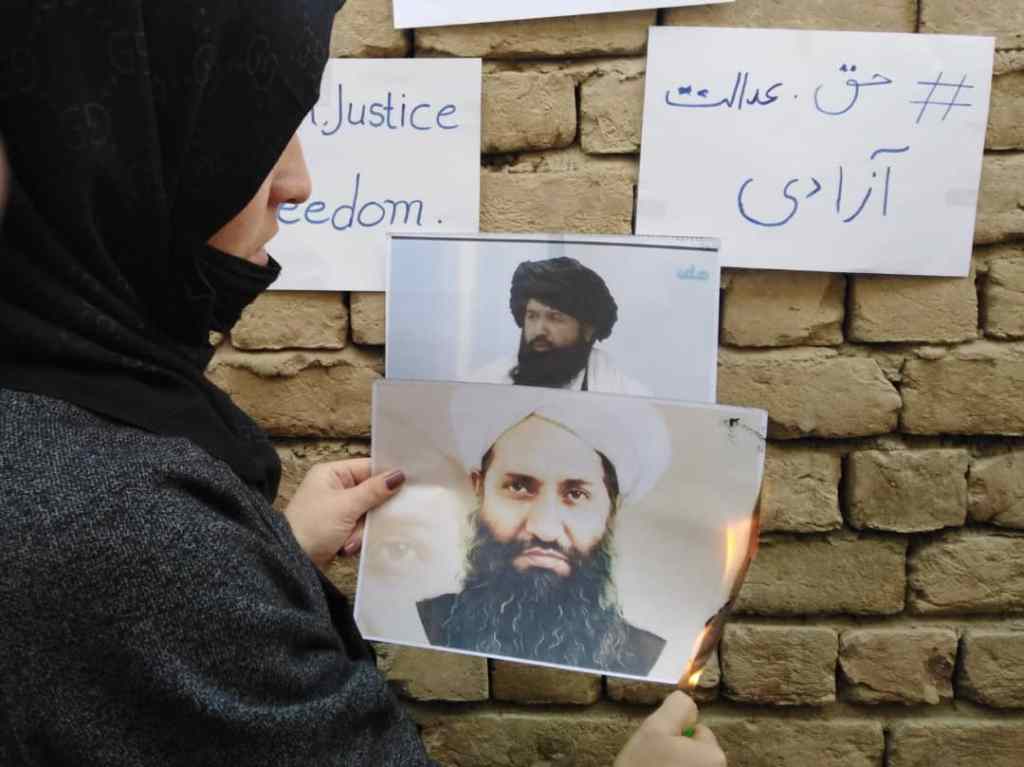
Once in Pakistan, Darya was finally safe from a life of abuse. Her body would no longer be sold like an animal at an auction, her body, her life was now her own.
This was not long lasting.
“Pakistan is not in a better situation now. I have many economic problems. My father spends his time with the little support he gives me and I just try not to fall back into the hands of the Taliban. I want to find a way to reach a safe third country as soon as possible and be able to save my family because they are now under pressure from the Taliban”. – Darya
Pakistan’s mass deportation policy took full affect in October of 2023. It is suggested by media outlets that 250,000 refugees from Iran have already been deported back into the hands of the Taliban (BBC). The number from Pakistan is yet to be calculated, but it seems suggested that over 100,000 have been removed since April (BBC).
Questions often arises when discussing the deportation of refugees. Questions of the hosting countries right to determine the future of these people. Their national security, their cultural heritage.
The question of Iran and Pakistan’s enabling of gender apartheid also comes into play. Are they to blame for the thousands that will soon die due to lack of resources and infrastructure? Are they complicit in the Taliban’s rule of terror? To stand back and watch evil, is to enable its growth.
I asked Darya what her dream was? What would she do if she had the power to do so, she replied
“My childhood dream was only to provide It was to provide a place for children to study and to reach a place where I could build a school and provide educational courses in my area”. – Darya
In the United Kingdom, there have been growing concern about the influence of Islam. Our society has began to tear itself apart by its growing presence. I wanted to explore how an Islamic person from a country governed by its ‘principles’ thought of the use of their religion by the Taliban.
“The Taliban today, using the name of Islam, has destroyed Afghan society. The only thing the Taliban is doing in Afghanistan today is defaming Islam and increasing people’s hatred of Islam [internationally]”. – Darya
I asked Darya what message she would send to foreign leaders. She said;
“The only message I have to the world is not to support the Taliban and to put pressure on the Taliban to give into the will of the people” – Darya
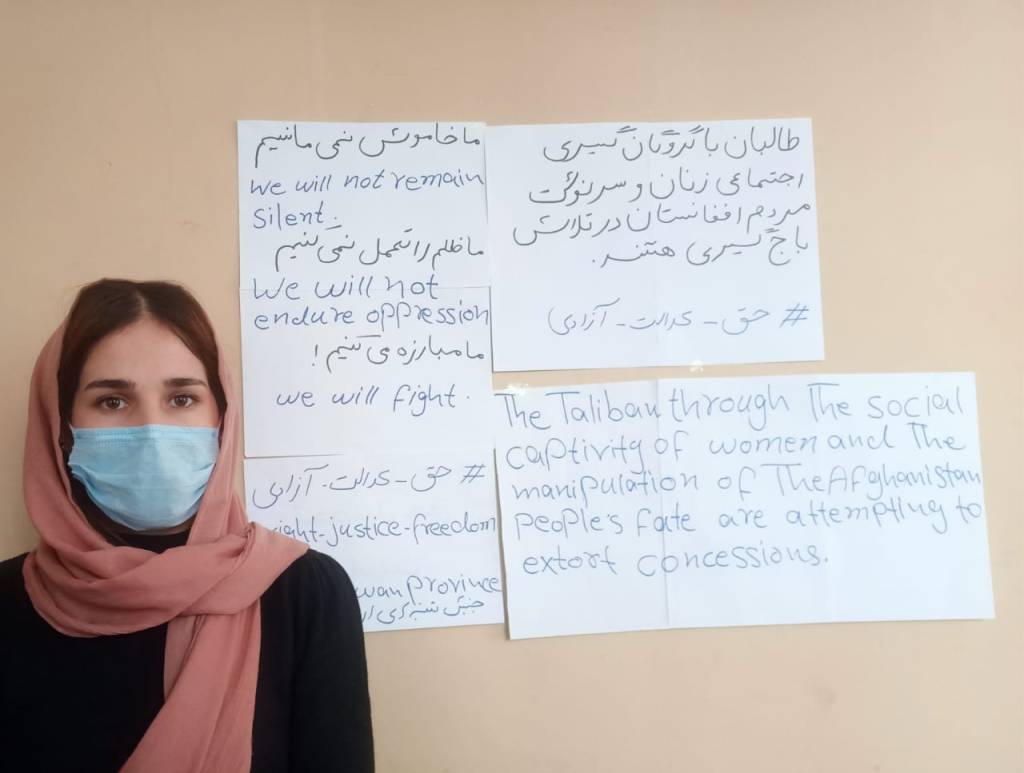
Uncharted Thoughts editors notes!
Interviewing these women was a privilege and an honour like no other. I have interviewed some incredible people over the years, from surviving Red Power activists that took over Alcatraz Island in 1969, to far-right ideological activists that are driving the new age of politics in the United Kingdom.
Each have bought a new perspective to my own outlook on the world we live in. Although the stories are theirs, and their experiences theirs to hold, with each interview I learn more about the human condition, and the conscious history that flows through each of us.
Although interviewing people at times can be challenging, be it ideological differences or perhaps a clash of character. More than often though, people surprise me with their kindness, generosity and strength.
It is the opinion of many that the west, and its allies should leave Afghanistan, it’s people and all that is within its boarders alone. That our hand is unwanted, and it creates more issues than it resolves.
I do not agree.
Of course we should be mindful of where our money and donations go. That we should be sure to not fund or provided the Taliban with cash or military supplies or with any form of authority.
We are the west. We are freedom and liberty, we are democracy. Yes we have faults, but it is our duty to free the oppressed, to deal justice to those that do harm and to protect the innocent.
There is a quote from Winston Churchill that rings true when dealing with all authoritarian government, “You cannot reason with a tiger when your head is in its mouth”.
How many times must we repeat history, how many wars, deaths, must we go through to realise that authoritarianism, theocracy and oppression is a virus, one that will continue to plague the world.

 Uncharted Thoughts.
Leave a reply to aFGHANISTAN – A LAND THAT USED TO BE. – Uncharted Thoughts. Cancel reply