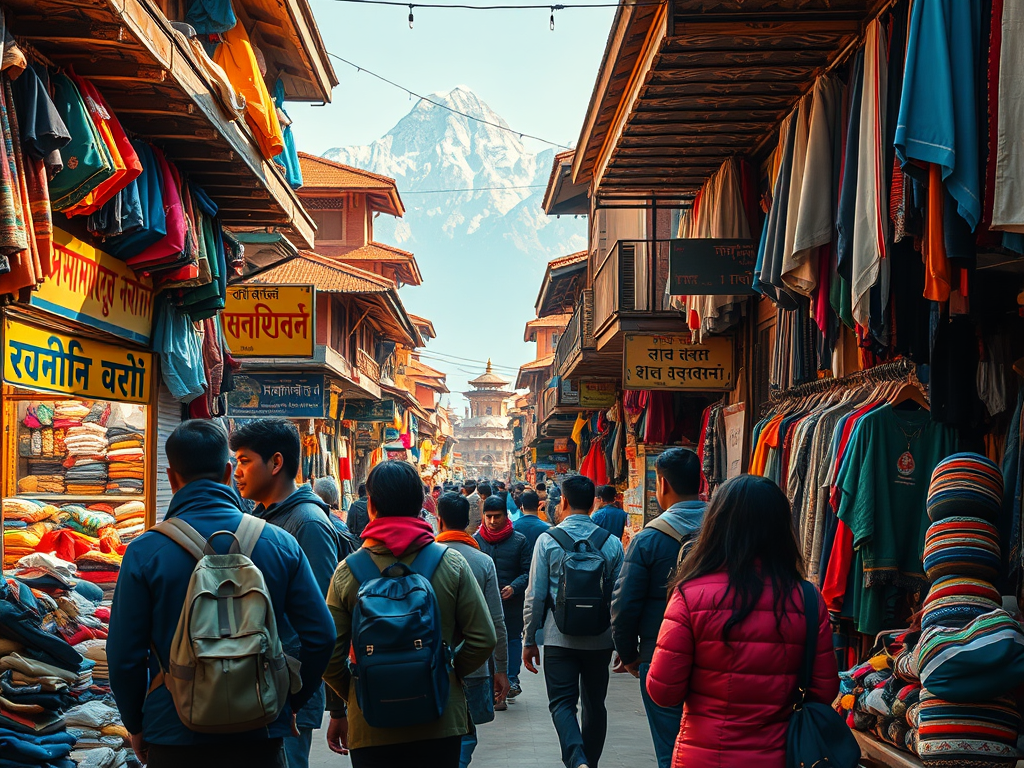

Exploring new cities and countries is a learning curb. Some people, like myself, like to arrive with a rough idea of the country and go with the flow. Others, like to know a little more about the place they are visiting before arriving. Both have pros, both have cons.
Arriving with a itinerary and a great understanding of the culture allows one to have prior knowledge and understanding. Therefore being wise to things others would miss. It also allows you to skip things not worth your precious time and go to the best view spots and best restaurants. It does however dissolve what most travellers seek, surprise and the unknown.
To arrive with no plan and with no understanding can be exhilarating and adrenalin pumping, you can walk anywhere, see anything and everything and see a country or city at its rawest form. But you also miss a lot, and are often overwhelmed with things to do, or left with nothing to do.
Here at Uncharted Thoughts, we like to offer a balance. Know things by all means, but we like to make the journey half the experience.
This section of the post is for the latter of the two options. For those that want to know a little more about Nepal, most accurately Kathmandu, before arriving at the airport.
Let us walk you through the, who, what, where, why and how’s of this ancient city.
Kathmandu Basics
Kathmandu is the capital city of Nepal. It is nestled in the Kathmandu valley. It has a population of 900.000 with an additional 4 million in the surrounding areas. It is the 19th highest altitude capital city in the world and one of the oldest continually inhabited places on earth.
The Newar people are 30% of its overall population, followed closely by the Matwali at 25%. According to a national report there are 125 languages within Nepal, however the official language is Nepali. English is wisely spoken and taught across the country.
According to another survey in 2019, 80% of the city is Hindu. Almost 10% is Buddhist and the rest is made up of Islamic, Christian and a tribal religion known as Kirat Mundhum.
The valley over one million years ago was a large lake, fed by the Bagmati river. The river is one of the reasons for the continuing habitation of the city and a life course for its people.
Whether
Kathmandu gets hot, and stays relatively mild throughout the year. It is rare for the city to reach temperatures under 0 (Celsius). It’s months are similar to most countries in the Northern hemisphere. November through to February are the colder months. March to June, spring. and then July till October, summer.
Nepal has five seasons, Spring, Summer, Monsoon, Autumn and Winter. The Monsoon season tends to fall between June and August.
Kathmandu is vastly different in its whether patterns than the rest of the country due to it’s geographical location.
Most tourists arrive between March – May or September – October. This is due to the mountains being more accessible and safer. However, base camp hiking and thru hiking runs throughout the year.
Kathmandu is particularly hot in the summer months due to the issue of pollution. It ranks in the top 200 most polluted cities in the world (HERE).
The heat builds up between rugged buildings and with the polluted air it is hard for it to escape until the late evening.
What to bring?
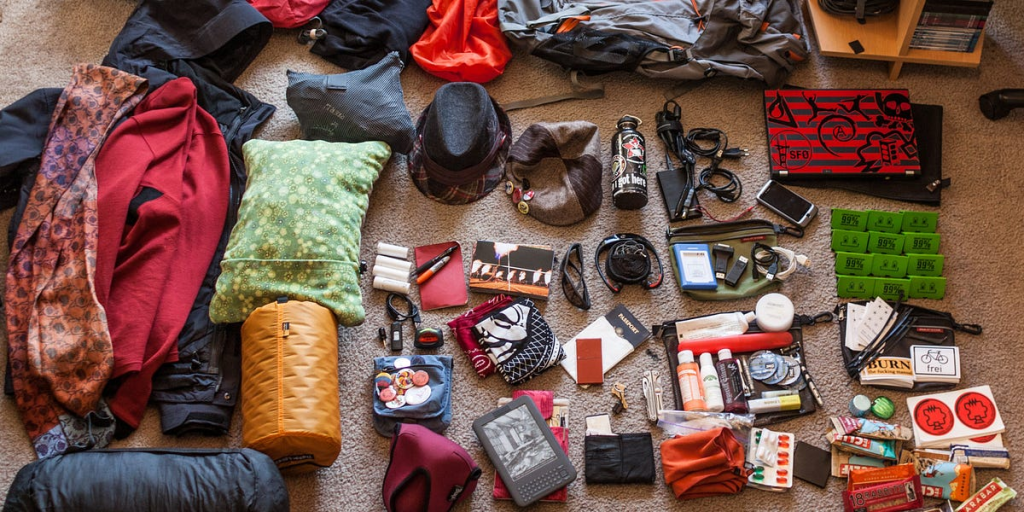
I imagine if you are heading to Nepal, then you are already in the know of what you need to bring. Most of you reading this are more than likely heading to the mountains and will be hiking. Therefore you will have everything you need anyway. But, just in case you are not lumbering a massive backpack and walking poles. Then I will enlighten you on what you need in Kathmandu.
Bags – Yes plural. One bag for the bulk of your stuff. One for day hikes and another for all the amazing stuff you are going to buy (HERE). If you are looking to be in Nepal for longer than two weeks, and are heading up into the hills. I’d recommend buying a 50+ litre bag, a smaller 15 litre bag and a duffle bag for all the goodies you’ll be bringing or sending home. You can buy all of this for half the price in Kathmandu. So, if you are concerned about purchasing bags before your flights, don’t. Do it in Kathmandu.
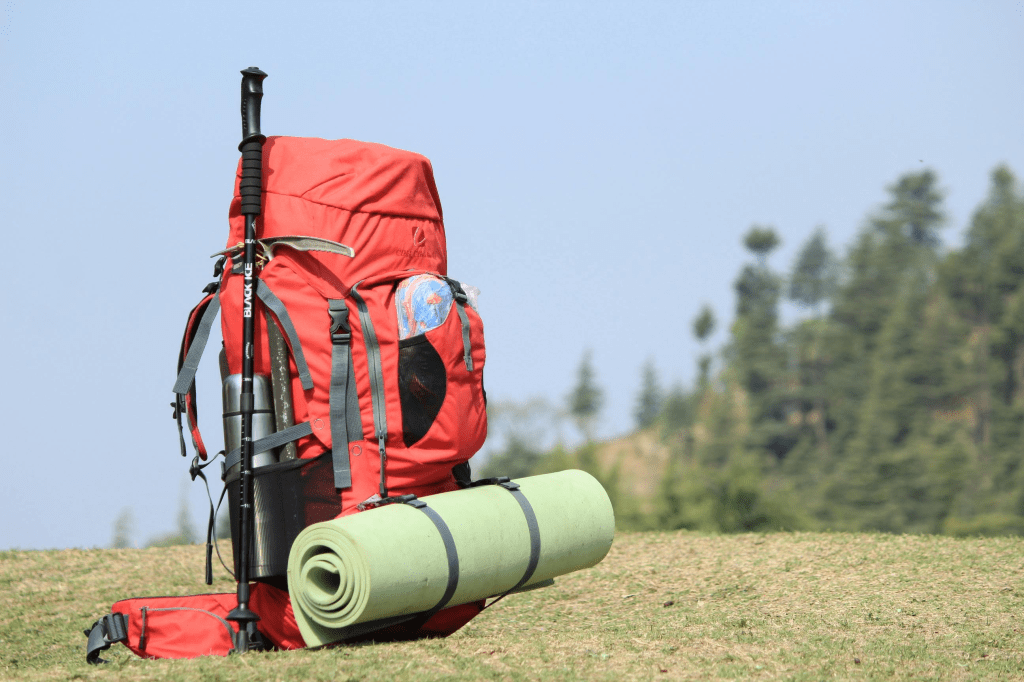
Clothing – Depending on when you go to Kathmandu, depends on what you need clothing wise. In the summer you need shorts, T’s, trainers / hiking shoes, a hat. Usual common sense stuff. In the winter, trousers, boots, jumper. Don’t think to hard on this, I travelled a lot with the bare minimum and picked up stuff I needed along the way. Remember, you can always pick up new stuff, but leaving stuff behind costs more. I once went on a hike with a lot of new and expensive equipment and had to ditch some due to the weight… I lost money, where if I purchased to my means on the trip, I’d still have a lot of good equipment.
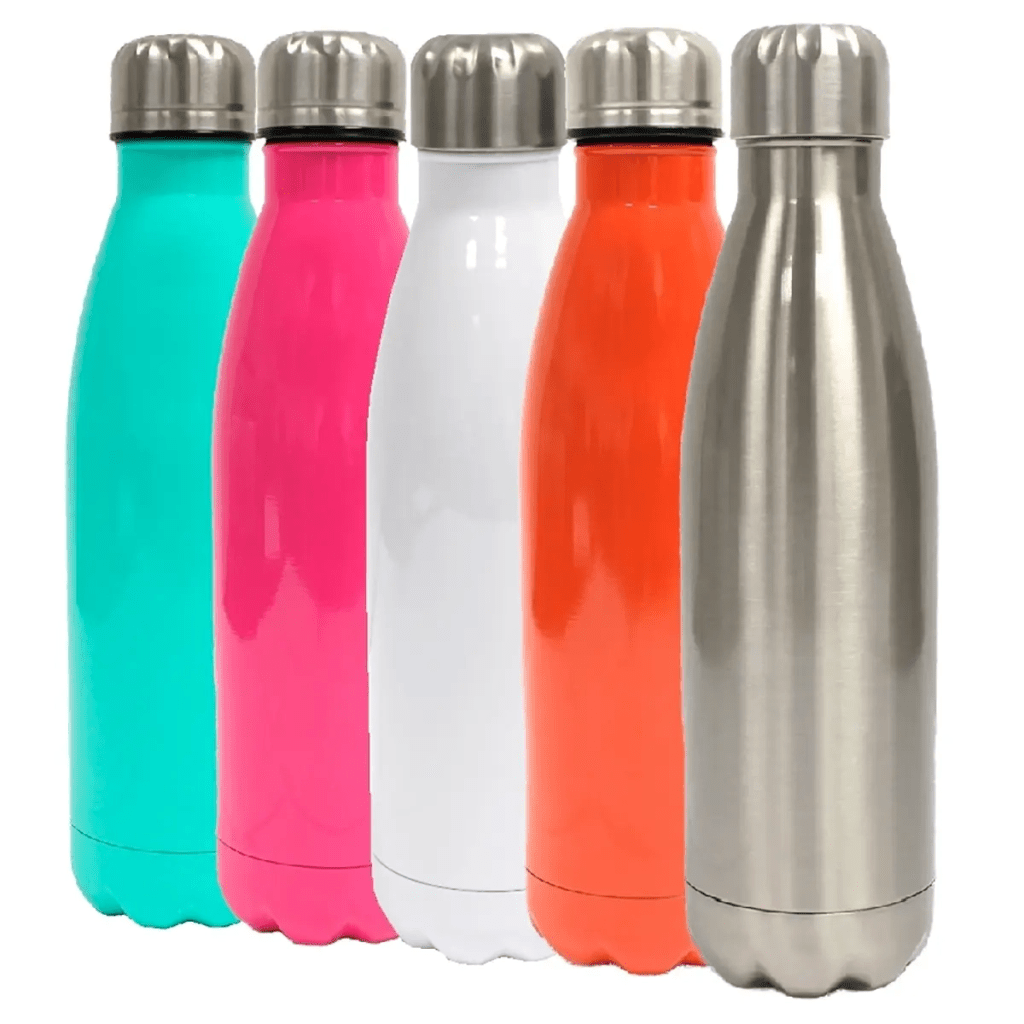
Water Bottle – Bring a water bottle, bring water purifying tablets and bring some common sense. Water in Kathmandu is NOT drinkable. It will not be safe, nor wise or suggested that you drink any water from Kathmandu taps.
Buy it. I know it is not environmentally friendly, but unfortunately this is how it is.
Always buy 2. One for now, one for later.
Safety and what to be aware of
Kathmandu as a male is safe. I am able to walk the streets at any time of day or night with little to no issues. The locals are friendly and helpful. I did witness a street fight on a night out, but being from the UK, that isn’t anything to be surprised by.
While walking the trail I came across a Dutch girl who said she had been harassed in Kathmandu by men. There are also issues of sexual assault that need to be addressed. Unfortunately, I feel this is the same across the world, in every country, in every city. I don’t think Nepal stands above the rest, nor below them. Just be careful and aware of your surroundings. Seek a shop/cafe/restaurant/bar for safety and stay vigilant of your drinks.
The country is incredible safe on the whole, Kathmandu being a very safe district, do not let rumours or singular areas of criminal activity put a stop to you having fun and enjoying this great country. Sitting in the top 50 safety countries on the planet HERE.
Gay, Lesbian, Trans and other sexual orientations are on the whole excepted throughout Nepal. Showing affection in public is frowned upon no matter the sexual orientation. So to avoid any confrontation it is best to not hold hands, and do more than a small kiss in public areas.
Do not do drugs, or take part in any illegal activities. Punishments can vary depending on the crime. Seek legal advice from a professional. Don’t end up in an Asian prison. I have seen the state of these facilities and its not worth it.
Pricing
Man, Nepal is so cheap I’ve considered living there. I think I spent all of £500. Obviously it is relative to how you travel. But honestly, this is a country you can travel in luxury and still spend next to nothing.
Accommodation can range from £3 a night dorms, £6 private rooms or a private luxury five star hotel, designed after the Palace of Kumari with a swimming pool and incredible restaurant for £400 a night at the Dwarika (Here). The choice is yours.
This goes for food as well. You can get a full meal, with a drink and dessert for £4 or something more attuned to those travelling for comfort at £100 a meal. From Dal Bhat, to Yak, your taste buds will forever be changed after this visit.
One of the reasons Nepal stands above the rest for me, is value for money. I have never been to a country were £3 hostels are equal to £30 a night hostels here in the UK. Where £1.50 can buy you a quality, tasty meal and drink. Nepal stands above the rest when it comes to value for money.

 Uncharted Thoughts.
Leave a reply to Kathmandu Adventures: Your Ultimate Urban Exploration guide. – Uncharted Thoughts. Cancel reply