As far as I am aware, I have never met a person from Afghanistan. I am sure I have encountered some in passing while walking the streets of London or through Manchester, but to my knowledge, today marked my first meaningful interaction with another people, from another land.
It is strange to imagine that 100 years ago these interactions between peoples would have been unheard of. To look into the eyes of another person from another land and talk extensively to them about their lives, culture, and struggles was something, I suspect, was reserved for the elites.
For me, a working-class boy from Plymouth, UK, to have the opportunity to fly out to Pakistan to interview some of the bravest people to have walked the earth is a privilege that most will never have.
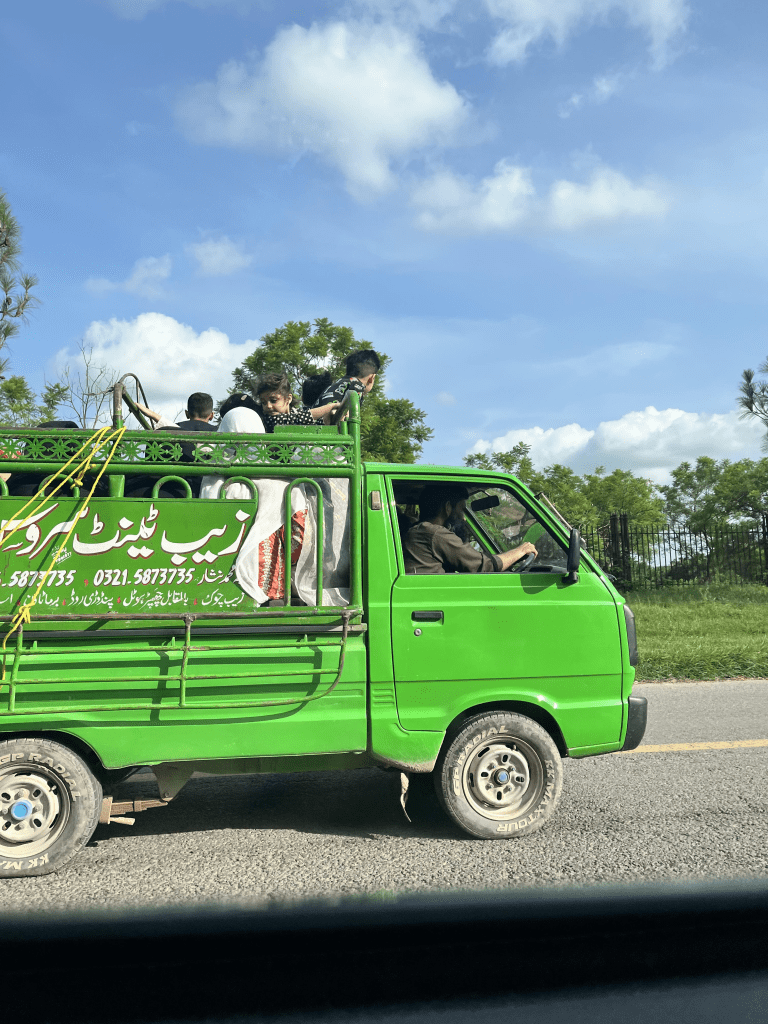
I stumbled down to the reception area of my apartment block at 11:04 a.m. The humidity was intense, and the constant beeping of car horns and motorbikes filled the morning with the traditional Asian ‘good morning’.
Two men sat at reception. Both eyed me with confusion and suspicion, as they had done for the last 48 hours.
The last white face I had seen was when I left London Heathrow some time ago, and by the looks of most people around me, I may be one of the first in this part of Islamabad.
As I walked across the reception, I noticed a small woman approaching me. I recognised her from the pictures on her Instagram account— the one we had been conversing with for the last three weeks.
She (I refer to her as She/Beth, as she does not want her name used due to fear of repercussions) wore a pair of white trainers, light blue jeans, a long-sleeved white shirt, and a white scarf. Her hair was short, tied back, brown, and on display. Her ears were pierced, showing beautiful white earrings.
Her approach was confident, standoffish, with a hint of surprise. She was no more than five feet tall (1.5 m), small-framed and paler than I had expected.
I was unsure how to approach her at first. I know that handshaking is often frowned upon between men and women in Islamic countries. I also know that meeting a woman without a chaperone is illegal in Afghanistan.
“Hello,” I smiled.
“Hello, Jack,” she smiled back.
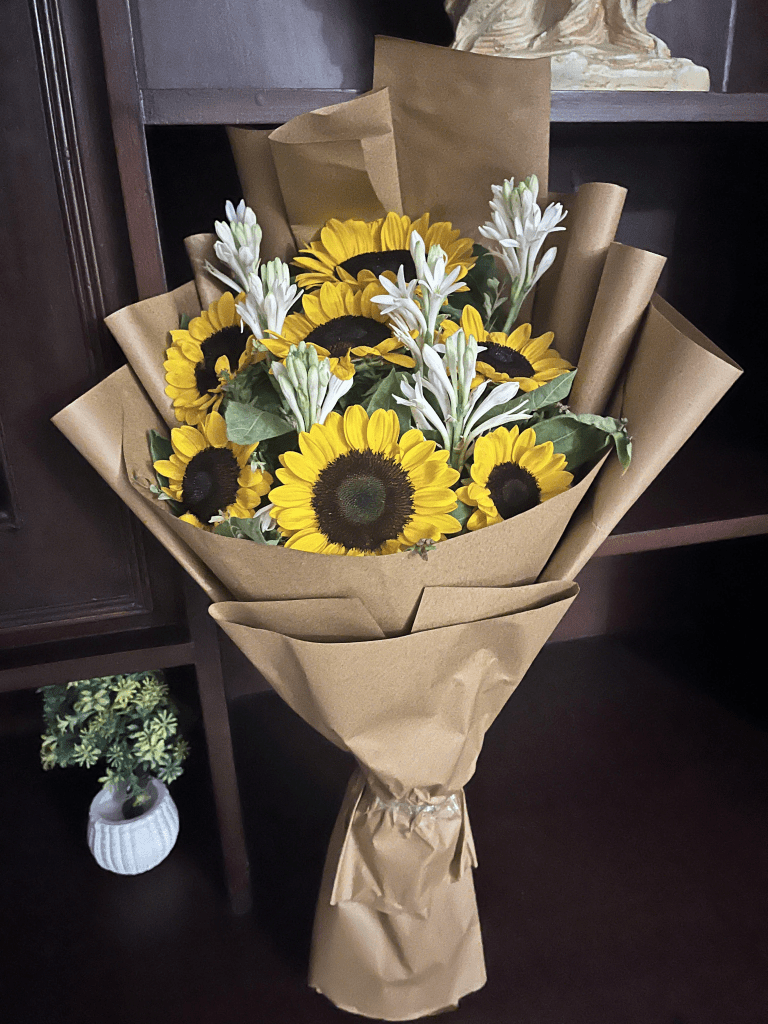
I was nervous enough not to register that in her arms she carried a large, beautiful bouquet of flowers. Wrapped in neatly folded brown paper, small yellow sunflowers poked through in carefully placed symmetry.
She passed them to me.
I’ve never been bought flowers before, and it took me by surprise.
Perhaps this is custom in Afghani culture. Perhaps it isn’t, and it is her kindness that carried this beautiful gesture.
We walked slowly up to my apartment. I was careful to walk slowly, to ease any anxiety she might have felt about our meeting.
We talked. Her voice was quiet and soft, her accent strong, but her English almost perfect.
It is strange to consider that this time six months ago I was working on a documentary “Frontlines; the battle for Britain’s minds”. Here I weighed into the ocean of political polarisation that has engulfed Britain today.
In doing so, I attended many marches, documented the riots of 2024, and spoke to people across the political spectrum.
That’s when I first encountered Britain’s far-right: a cluster of working-class people who felt the pressures of illegal immigration and mass migration in their own communities. Their leaders—Tommy Robinson and his ilk—demonise Muslims, Islam, and migrants on social media posts and long interviews with journalists, in an attempt to gain political control and wealth.
Now, months later, I sit next to a woman whose life has been destroyed by Islamic extremists. A woman who has had her life ripped away from her and who now flees persecution and torment. Someone who wants to go home—to see her family, her friends—but can’t, because of the deadly repercussions she would face.
As I sat listening to the horrors the Taliban has inflicted upon her and her homeland. It soon became clear that she was the face that the ‘far-right’ hated. Looking into her brave, desperate eyes, I notice that this is the face the far-right fears: a small, Muslim woman.
Of course, there is so much more to the story than this. But when it boils down to its core, these far-right white men and women who march alongside Tommy Robinson do so with the knowledge that this small, brave woman is what they hate.
They do not see the human side of refugees. They do not see the struggle, the pain, and the fear they live through on a daily basis. They see Islam—and the reputation it has internationally. They do not see a five-foot woman; they see a threat. Someone to hate. Someone to blame.
If you had asked me ten years ago whether the average English person could sit across the table from a woman such as Beth and find it in their heart to feel compassion and empathy for her, I would have agreed that most, if not all, could. Today, I’d be scared to have Beth in the same room as many people from England.
Perhaps not out of fear of violence—but I’d expect there to be racist, Islamophobic, and vile comments thrown in her direction.
Our interview lasted for two hours. We discussed everything—from her hometown, her family, the rise of the Taliban, her imprisonment, and her life in Pakistan as a refugee.
There were some laughs along the way, some tears, but above all, I learnt that people from all backgrounds share the common need for peace, love, community, and prosperity.
It is clear to me now that ‘Beth’s’ attire—her very presence—is one of defiance against the Taliban. Her gift of flowers, her exposed hair, her dress: all are defiant blows to the regime.
There is a reason I call these women the “bravest on earth.” Their very existence is defiance. Their voice is a thorn in the side of their oppressors. Even their uncovered hair is a threat to their overlords.
Only the weak are cruel – Leo Buscaglia
A regime that imprisons girls, tortures them, maims them and executes them. Is weak. If ones institute can not face criticism, one’s institute is weak and stands on poor foundations.
 Uncharted Thoughts.
Leave a comment