So, you want to make a documentary. Sure, it’s really not that hard right? Camera? Check. Microphone? Check. Adobe Premiere Pro? Check. An iron will? Check.
Let’s go then.
So, I have made one documentary. It took 5 months and almost killed me. These are the lessons I have learnt making the documentary and how to overcome the challenges put in front of you.
Check out my documentary here: https://youtu.be/_JWTGiX6vxc?feature=shared
Starting out.

First you need to equipment. This should go without saying. Luckily I am currently at university and I can hire cameras, microphones, tripods and use Adobe Premiere Pro for free. If I didn’t have these tools, I’d probably not have made a documentary.
Cameras can vary from £200-£2000. Microphones from £30-£1000. Tripods the same. You can use free editing software, however adobe (my personal favourite) is £30 a month. With rent, bills, food shopping and other things. It’d taken me the best part of 6 months to get all this together and an additional 2/3 to have edited it and put it together.
This doesn’t mean you can’t do it though. There are cheaper options at your disposal. An IPhone camera is great at capturing videos. You can buy mics for £30. And use free editing software.
The only thing you can’t cut down is the editing process. Learning this takes time… but YouTube will be your best friend. You can find out everything you need to know about editing on YouTube.
So, equipment wise, editing wise, you now have no excuse.
What we used.
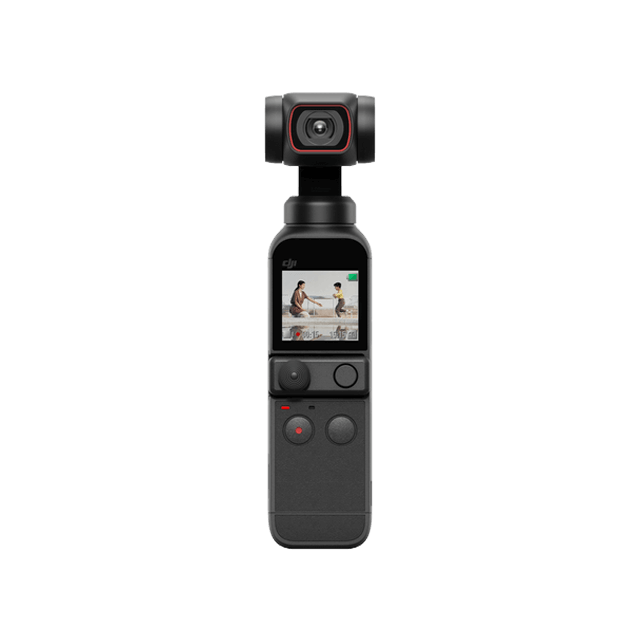
The DJI Osmo pocket 4.
With DJI mics.
3 Jessops TR125 Hex Tripo
Panasonic HC-X2000E Lightest 4K Professional Camcorders with Wide-Angle 25 mm Lens, 24x Optical Zoom and Detachable Handle
The DJI Osmo Pocket is a great product. It is very easy to use and has great quality. If you are running about, in action and or in an interview it is diverse and versatile. I’d recommend it to anyone starting out. There are only two real downsides I found. It’s expensive £550+
If you want the mics as well, which you definitely need. They are an additional £400. They are really easy to use, however can be temperamental at times. They come with dead cats to stop the wind and altogether work very well and with great quality.
A tripod is a tripod at the end of the day. The Jessops worked well.
The Panasonic HC-X000E was used for the larger more landscape shots.
Story.
So you got ya equipment, learnt how to edit and still wanna make a documentary? Okay, well I guess you’ve spent the money now you might as well get cracking. Now it’s time to find the story.
I think, for your first project you should do the documentary on something you love. Something that interests you.
Football? Travel? Art? History? Whatever it is, try and find something you could talk about for hours. Something you have some knowledge in already so research is limited.
This is something I made a mistake in. Although I am political, and have strong opinions on the UKs government and the state of the economy. I was not prepared for the amount of research that was needed for the documentary. And I spend hours and days reading and consuming information. Information that is poisonous to your brain.
So keep it light. Keep it fun. And just enjoy the process.
What to know.
Besides editing, how to use equipment and research techniques. There are a few other key elements to working on your own documentary.
First. People skills. If you are working on this documentary n a group, remember that no job is done well by anyone but you… this is a joke. Make sure you play to your own strengths and the strengths of your team. Don’t think you know everything. Cuz you don’t.
Additionally, learn how to talk to people and interview people. Listen and don’t interrupt. Be ethical.
Secondly, narrative. The narrative of the documentary is key to portraying a story that is not only worth telling but is consumable by the audience.
A story is only as good as its pacing and its narrative.
Finally, work hard and remember you are new to this. Put your money when your mouth is and get to work. It takes a lot of willpower and time to get these things done. Don’t rush anything, but never stop moving forward. It won’t be perfect, but it sure will be yours. And something to be proud of.
My process.
Perhaps me explaining the story of my documentary will help you with your journey.
I found this topic after watching some leftie leaflet carriers handing out Hope Not Hate fliers at university. There was a rally taking place, on the 20 something of October 2024. A Tommy Robinson one. I was curious. I hated Hope Not Hate. And I disliked Tommy also. What was this all about?
Well, like everyone. I took to social media to find out. And find out I did. There was an online war going on between Tommys group and hope not hate following the Southport stabbing. I was hooked by the digital battle. Watching each side pick and choose their topics of discussion that day. Watching the right throw out anti-migrant videos. The left blabbering on about socialism and communism. It was the Wild West of information. And I sank into it fully. Without protection. Which was dangerous.
I was at uni, watching all my course mates picking up projects and I thought, well, I really like Andrew Callahan and his style of documenting the social underbelly of America. And so, I vegans to formulate a plan.
Andrew’s work : https://youtu.be/RNzqR6QoWR0?feature=shared
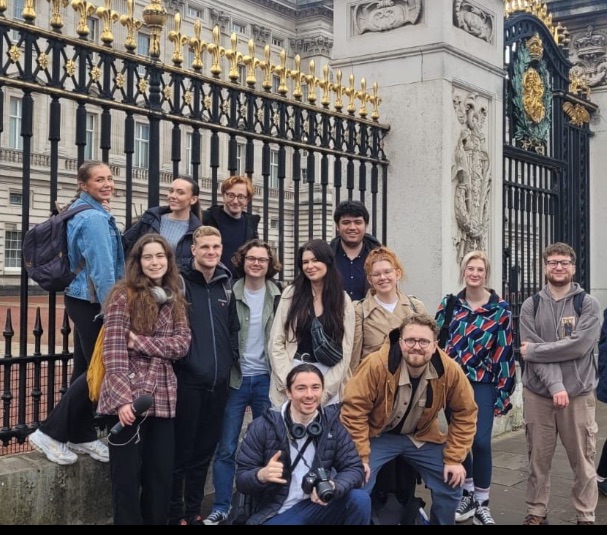
On the 20 something of October me and 10 course mates went down to London and took part in the Tommy Robinson protest. Interviewing both sides. The left and the right. And everything went wrong. I got assaulted. The microphones for the right didn’t work. It was chaos. But I loved it.
I then decided, the doc needed more substance. So, I contacted everyone. I mean everyone. From MPs, councillors, public figures, societies, teachers and lecturers. I contacted everyone I thought would have an opinion on these matters. And… I mostly got silence.
Luckily, I was persistent in those I think were vital to the narrative of the documentary and got 4/6 that I really wanted.
From there, I needed to edit edit and edit. And I did so. For four weeks, I sat 8 hours a day editing, recording and writing for the documentary. And the final product was 80% of my hard work.
What would I do differently next time?
I’d not take on such a large task for a first attempt. However, that attempt is over now so I guess I have just hit the ground running.
I’d apply more time in learning editing. Make sure I am clued up about Adobe Premiere Pro before starting. Again, something I don’t have to worry about so much now. However there is still a lot I need to learn when it comes to editing.
I’d work solo.
I’d set myself a more realistic time line. I missed two release dates over 2 months because I bit off more than I could chew.
I’d have more fun.
 Uncharted Thoughts.
Leave a comment