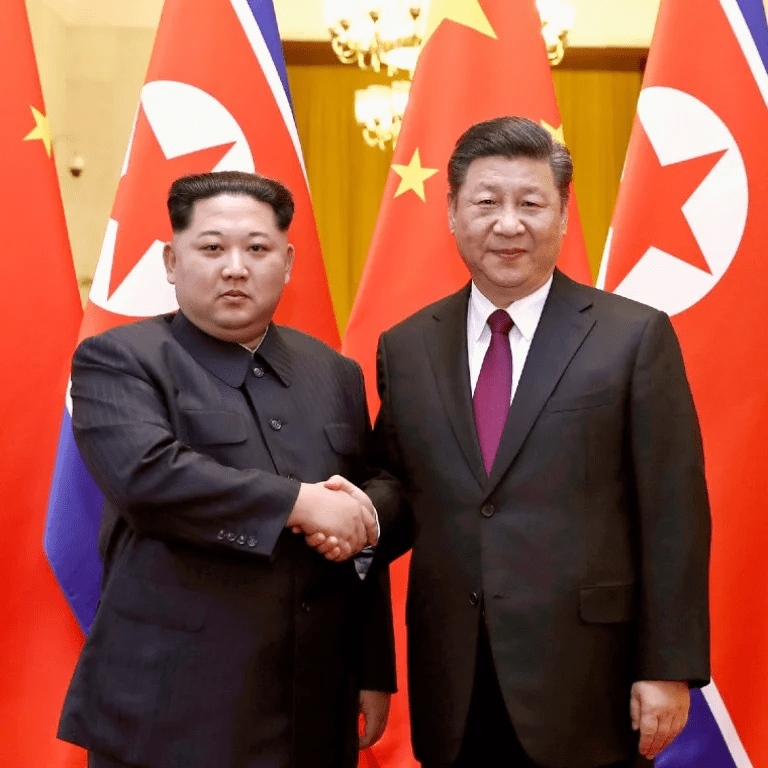
After writing this blog, I doubt I will be able to explore China as a tourist, or as a journalist for that matter. And I can kiss my dream holiday to North Korea goodbye.
Who are the Uyghurs?
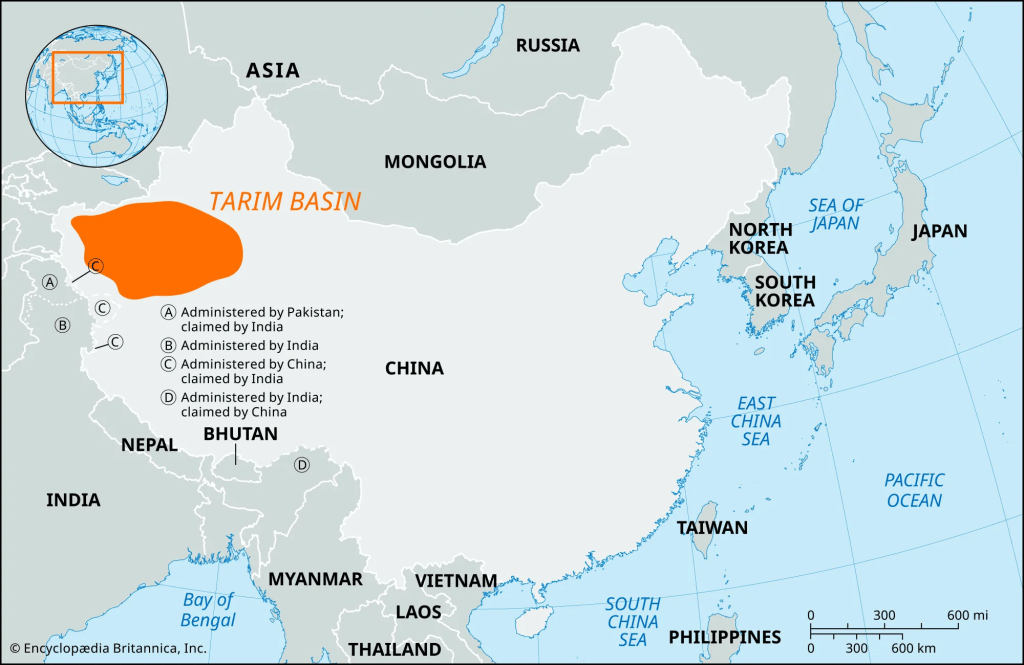
Although estimated to be 12 million strong, the Uyghurs are hard to define. Believed to be the ancestors of a number of different origins, DNA has yet to determine who they really are. It is often theorised that they derive from Mongolian Uyghur khanate tribes fled south following the desolation of Karabalghasun in 840 AD and settled in the Tarim Basin. However, other scholars believe that migration patterns from Indo-European groups such as the Andronovo peoples or the Indo Aryans could hold the key. Interbreeding of tribes and hundreds of years of empire travel through this region has made the modern Uyghurs a mystery.
Wherever, or whoever these people derive from, it is evident that their place among the sand dunes and water oases of the Tarim Basin (North West China) has been an ancient one. So much so, that although the name Uyghurs has stuck in this modern period, the correct terminology would be the name of their oasis. Much like how we call the indigenous Americans ‘Indians’, when in reality they should be named after their belonging tribe, for example; Black Feet or Cherokee.
In the Youtube video ‘Who are the Uyghur’ (OnePath Network) Arslan Hidayat suggest that “we (a Uyghur) are what we like to view as the original Turks, we are geographically located in Turkistan”.
Now, this has already created a number of issues, Turkistan has not been a recognised country since, well never. It seems by my limited research that Turkistan was a name given to a region made up by predominantly Turkic speaking groups, one of which being the Uyghurs. Since this period of time (Around the 2nd century BCE) the land had been ransacked by empires and military conquest. Be it the Mongolians, the Huns, the Russians, the Chinese or the Persians.
In 1759 the Qing dynasty invaded Eastern Turkistan, a land occupied by a Mongol khanate. Between this time and today, the land known by the indigenous population as ‘East Turkistan’ has seen many uprising and clashes with their Chinese overlords, in a fight for independence. East Turkistan has only been recognised as a country for 6 months in 1933 – 1934, and again in 1991 by the United States after the fall of the Soviets.
In the 10th century the Uyghur population was Islamised by Sultan Satuq Bughra Khan. The practice of Islam is still to this day the primary religion of the Uyghur peoples.
This is a VERY brief overview of the Uyghur peoples identity. Dynasty, after empire, after warlord, after dynasty invaded this land and occupied it. For us to get a full understanding of the historical impact of these invasions and the ‘rightful’ owners of this land, we would need over ten thousand words and many, many historical records. Having scratched the surface of the East Turkistan / Turkistan debate, I would go as far as to say it is far more complex than the Israel / Palestine conflict. What is clear though, is that the East Turkistan, otherwise known as the Xinjiang province, is a melting pot of clans, tribes, peoples and religions and a land occupied by a authoritarian government.
What are the Chinese Government accused of doing?
The People’s Republic of China invaded / annexed East Turkistan, renamed now as the Xinjiang Uyghur Autonomy Region, in 1949. Much like Tibet, the Chinese promote that the regions are to some extent self governing. However, there is little proof of this, and in recent interviews with Chinese official Victor Gao, Vice president of Beijing centre of China and globalisation and former interpreter late for Deng Xiaoping, the language used offers no evidence of their autonomy. He replies after being interrogated by Mehdi Hasan on ‘Head to head’ that “There is only one china… and the Governments peoples republic of China is the sole legitimate government for the totality of China”. Mr Gao also suggest that “if anyone promotes Xinjiang independence they will be dealt with court”.
The ‘peoples republic of China’ has been accused of committing a mass incarceration of the Uyghur people in the Xinjiang province. Fifty-one United Nations county officials have come together and condemned these ‘crimes against humanity’, pleading for China to stop these acts of barbary. China is accused of cultural genocide, rape, torture, mass incarceration/detention, forced labour, forced sterilisation, mandatory birth control, cultural persecution and genocide, since the beginning of 2017.
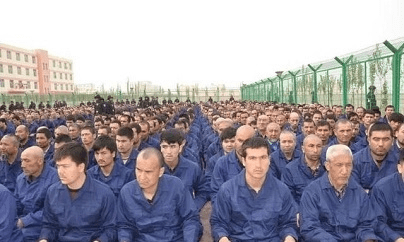
In 2024 there have been reports of roughly 380 ‘re-education’ camps found in the Xinjiang province. In 2018, the United Nations suggested there are roughly 1 million detained Uyghurs, however, that number is likely to have exceeded 2 million at its peak.
Where is the evidence?
Where is the evidence for this mass cultural genocide? Well, there is a lot. Since 2020, the Australian Strategic Policy Institute, whom founded the Xinjiang Data Project has reported and suppled evidence of the creation of camps, the destruction of Mosques and the damage of Islamic sacred sights throughout the Xinjiang province.
You can access these images from the website below.
There are reports of four tiers of ‘re-education’ camps. Each with a different motive and security measures.
The following information is from the Xinjiang Data Project;
Tier 1 – 108 sites known – ‘Suspected low-security re-education facilities: these are detention facilities that were created by adding fencing and other security features to existing buildings such as schools and hospitals when the crackdown began in 2017. Whilst many likely still house detainees, they are often directly connected to large factory facilities, suggesting an element of coerced labour. State media reports suggest that detainees in this tier of facilities have been allowed to visit their homes on weekends.’
Tier 2 – 94 sites known – These facilities have significantly more security than tier 1 including high barbed-wire fencing, a perimeter wall and watchtowers. However, they still have classrooms and external yards for detainees; and their purpose appears to be the eventual ‘rehabilitation’ of detainees rather than indefinite imprisonment. Many of these facilities also have large factory warehouses within them or adjacent to them.
Tier 3 – 73 sites known – The only access to these high-security sites is typically through a well-guarded main gate and often a single bridge leading up to the perimeter wall and watchtowers. Many of these facilities have up to six layers of barbed wire fencing and perimeter walls. Administrative buildings are completely separate from detainee areas, in contrast with lower security facilities that have administrative buildings scattered between the dormitory and classroom buildings. This facility shown has a fenced entrance tunnel through which detainees are brought into the site.
Tier 4 – 107 sites known – Visually they all look very similar with a distinct architecture: high walls, multiple layers of perimeter barriers, watchtowers, dozens of cell blocks, no apparent outside exercise yards for detainees, single bridge entry for guards to the perimeter wall. These facilities are often co-located with other (lower security) detention facilities and likely still house convicted criminals from not only Xinjiang but other parts of China as well.
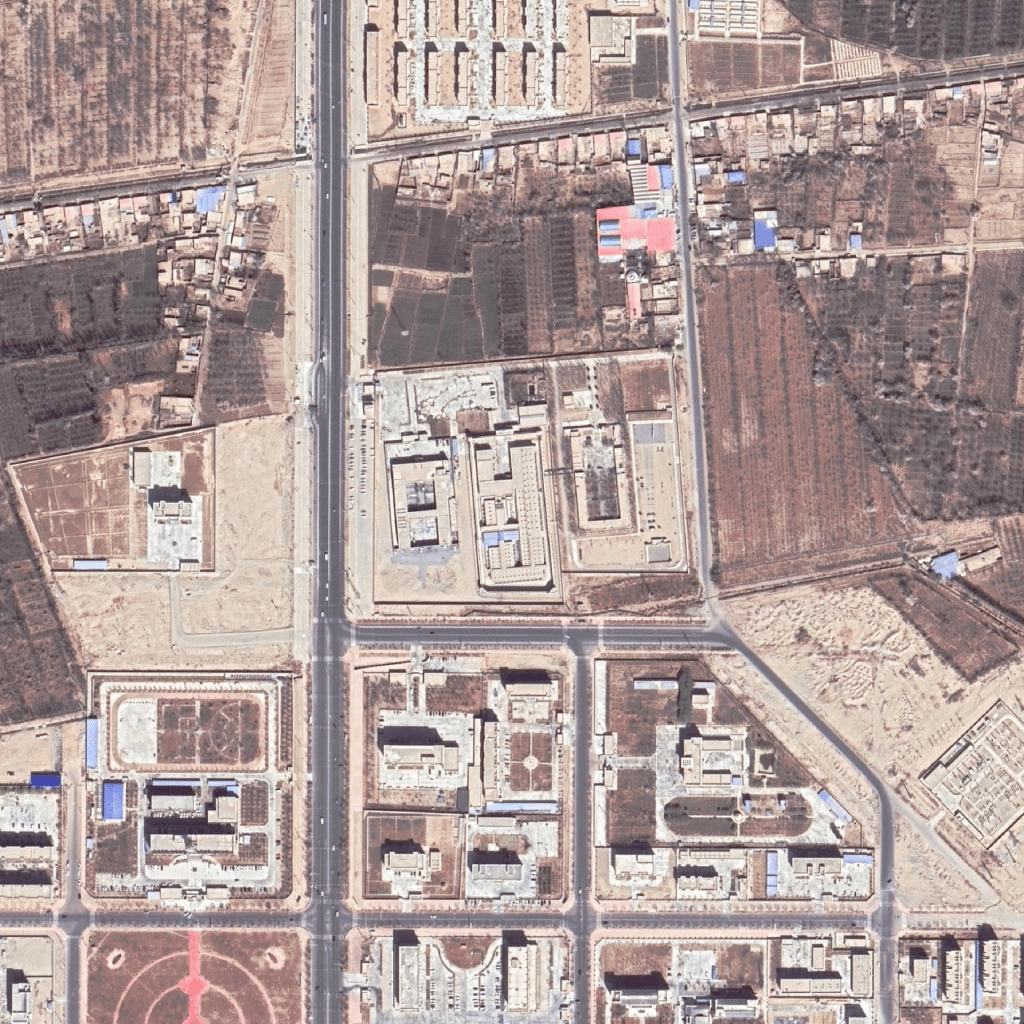
Along side areal footage, there are plenty of sources that support the suspicion and mounting evidence from the Xinjiang Data Project. Firstly, and potentially most importantly, China officials have admitted to the mass incarceration of Uyghurs. Here, stated by the Foreign Minister Wang Yi, “The truth is the education and training centres in Xinjiang are schools that help people free themselves from extremism” (2019).
This admission however, proves only that there is mass incarceration of people within the Xinjiang province. It doesn’t prove the accusations of cultural genocide, rape, torture, mass incarceration/detention, forced labour, forced sterilisation, mandatory birth control, cultural persecution and genocide.
But whistle blowers and survivors do…
A former Chinese police detective, who wishes for his identity to be kept a secret, recalls the physical torture he, and other guards, enforced upon the Uyghur people. He states in a CNN interview how (we’d) “Kick them, beat them (until they’re) bruised and swollen,” Jiang said, recalling how he and his colleagues used to interrogate detainees in police detention centres. “Until they kneel on the floor crying”. He recalls hanging people up side down, chaining them to Tiger chairs and encouraging and telling other inmates to sexually assault new members.
One survivor, Abduweli Ayup, recalls the time he was gang raped by inmates under the orders of the guards, passing “out during the attack and woke up surrounded by his own vomit and urine”. Its a scare on his heart, he says, that will never heal.
Omir Bekali was detained while on a business trip into the Xinjiang, he recalls how he was hung upside down, beaten on the thigh with wooden torches and metal whips.
There are many testimonies given by Uyghur refugees that involve torture, sexual, psychological and physical violence. However, there is a crime that lurks in the depths of these testimonies that is often overlooked. I talk of course about the sterilisation of Uyghurs.
There is sickening evidence that the Uyghur population have been systematically sterilised through IUD’s or strange injections. In 2014 roughly 200,000 IUD’s where inserted in the Xinjiang province, by 2018, 330,000 where inserted according to reports. Proof of this can be found not only in witness reports, but also in the rapid decline of births within the region. Since 2014 there has been a rapid reduction in births across the region, specifically in minority groups.
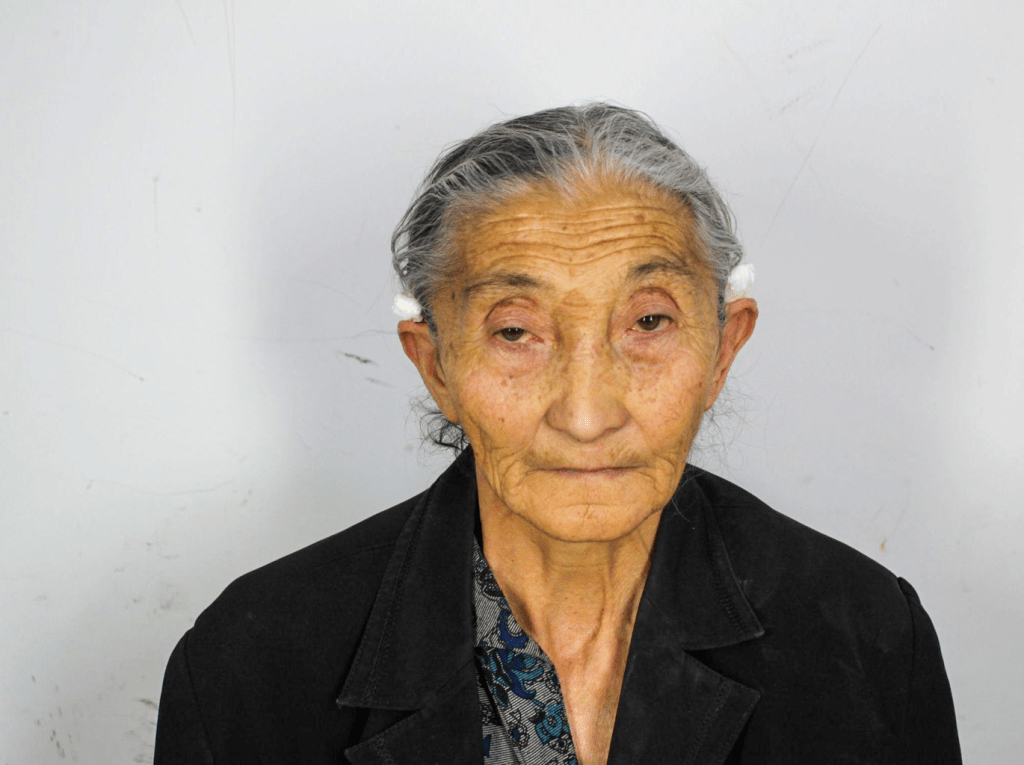
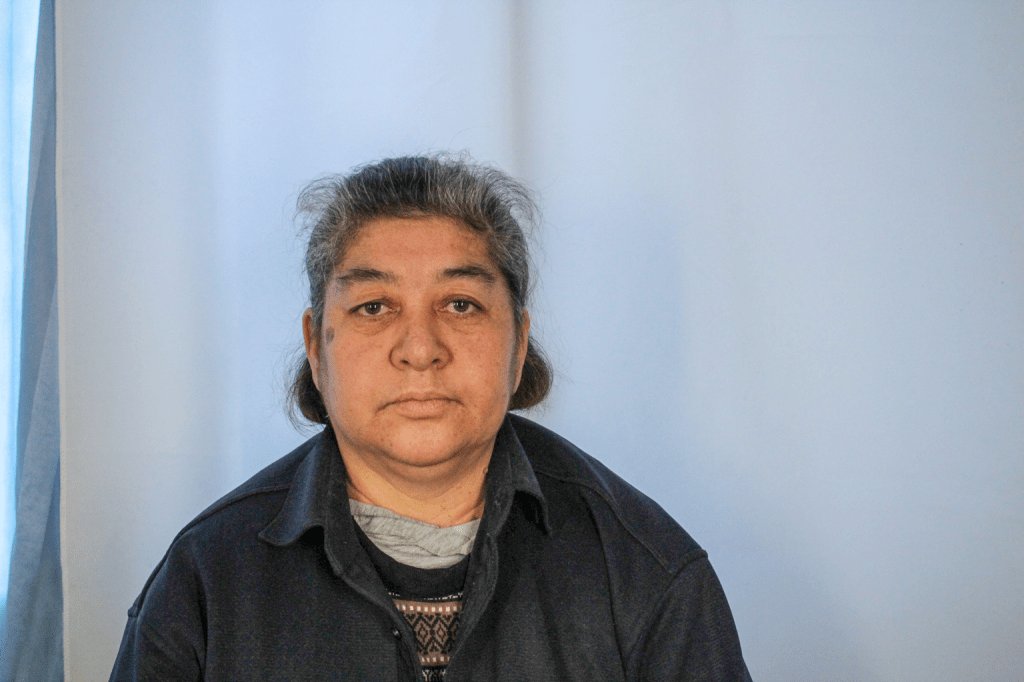
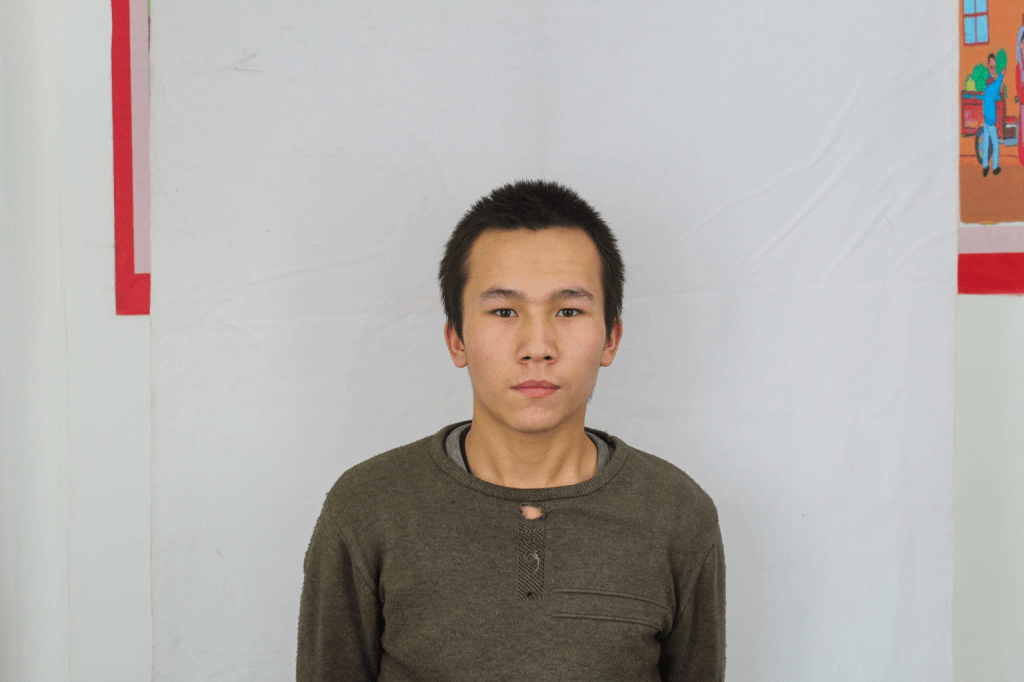

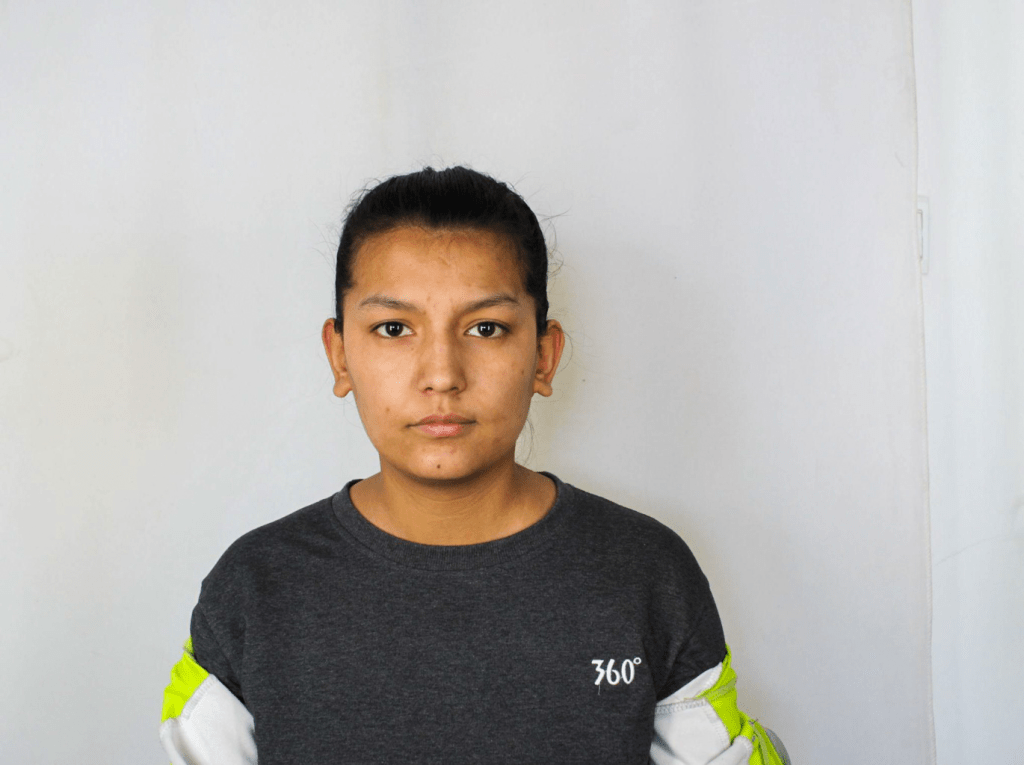
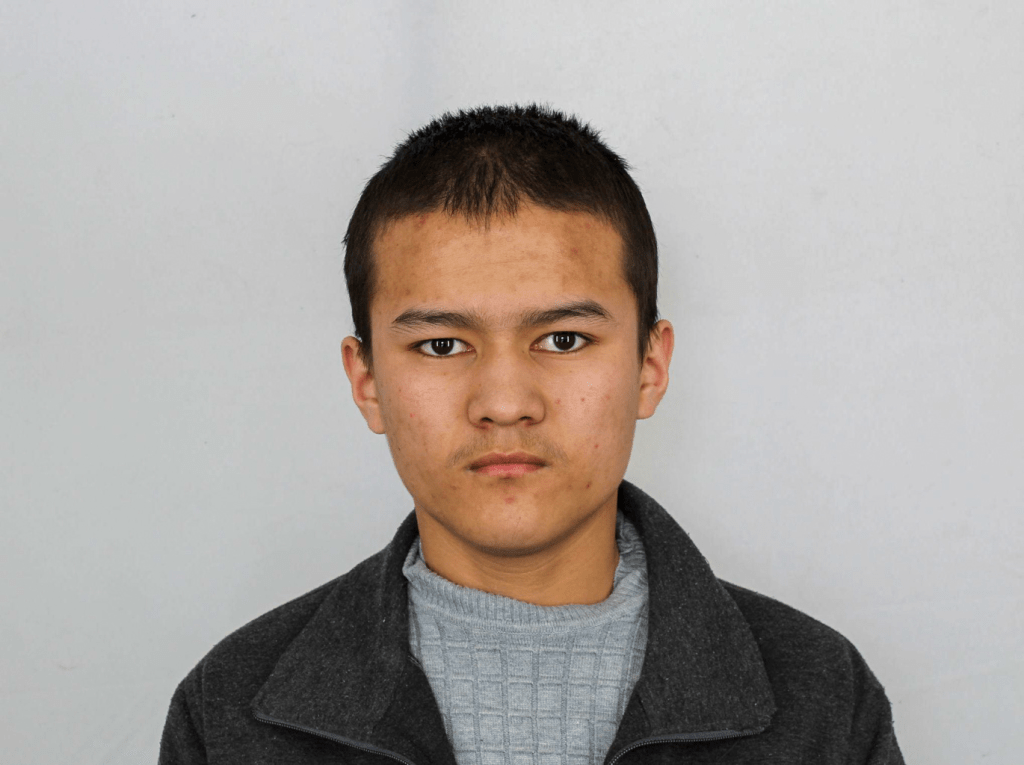
It seems by some of the reports so graciously provided by the Chinese government (not), that China may be following in the footsteps of its authoritarian neighbour North Korea. There are many of the Uyghurs that seem to be charged with ‘family member of detainees’. This is seemingly a reference to being a genetic relation to a current and or pervious detainee. In other word, much like North Korea, China is advocating for ‘the criminal gene theory’.
A theory that suggest that criminals, or rebellious persons are so due to their genetic makeup. Suggesting that one is born a criminal, and their offspring will in turn be a criminal. That criminal behaviour is hereditary rather than a result of nurture.
Of course, there is no real evidence supporting that China is definitively supporting this theory, perhaps they are just using it as an excuse to detain Uyghurs, or they are attempting to brainwash or should I say ‘re-educate’ families, rather than individuals. But the arrest of family members for the crimes of their kin does sound awfully, medieval.
Why are these crimes being committed?
China has responded to the allegations of mass incarceration with justification for their actions. Consider though that China has yet to allow for a legitimate international investigating team to access most of the camps, only tier 1 camps have been seen to have any foreign investigations. They have yet to admit to any of the crimes against humanity performed within these camps, or provide sufficient proof that these are, as they report, false allegations.
Chinese have justified this cultural genocide by reporting acts of terrorism within the Uyghur community. An accusation supported by the Global Terrorism Database (GTD). Since 2010 there have been roughly 50 terrorist attacks across the Xinjiang territory. Most of which are executed with home made bombs, that target the police, killing many.
Since 2016 however , there has been 0 terror attacks within the region. Be this due to the incarceration of Uyghurs, or due to lack of information provided from within the province.
It must also be stressed that although 50, terror attacks are 50 too many. If we are to compare the statistics of the Xinjiang data collected by the GTD, with a ‘safe’ country such as the U.K. it is clear that it is dwarfed in comparison. The GTD states that since 1970 the Xinjiang territory has registered 135 terrorist attacks, whereas the United Kingdom has had 5563.
How many of these 135 terrorist attacks were Uyghur related, it is hard to tell. But what is clear, is that the Chinese mass incarceration is not justified by the small act of terror within its boarders.
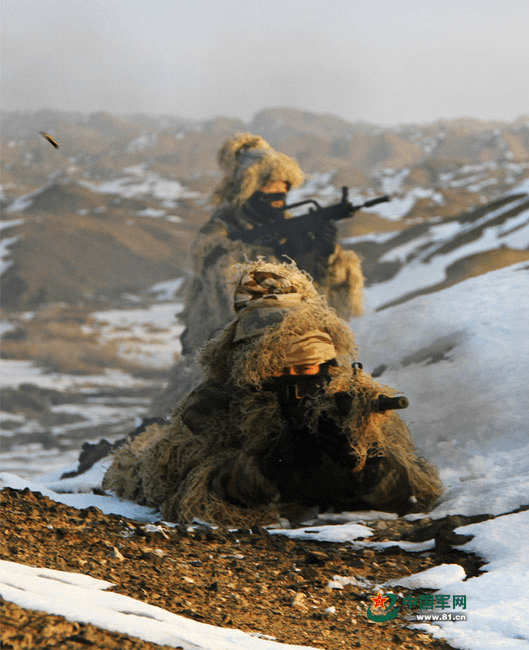
Of course, when it comes to China, and its authoritarian rule by Xi Jinping. Any criticism towards the communist party is seen as a threat, and will be dealt with accordingly. Separatists are seen as terrorists, as trouble makers and active traitors to China and its ‘One China’ policy. So, although there were terror related violence within the region, traitors or terrorists are labelled as anyone with alternative thought. There could be a course of thought that by the standards of the Chinese, ‘terror’ is just what us westerners call freedom of speech, thought, religion and expression.
My thoughts
According to the evidence I have found on the internet. It is clear that there was and remains to be, a mass incarceration of the Uyghur people within the Xinjiang territory. It is evident that the incarcerations are illegal, in accordance to UN law (There shall be no discrimination on the grounds of race, colour, sex, language, religion, political or other opinion, national or social origin, property, birth or other status.) and that those incarcerated are stripped from their human rights.
To what extent do these Uyghurs go under torture and to what abuse they are exposed too is unclear. Although there are no doubt a large proportion of those that have escaped notifying international institutions of human rights, it is unclear how far and to what extent these abuses occurred. That is not be diminishing or victim blaming or whatever else you want to call it. I am just stating that there has to be further, more detailed research into the gravity of these abuses, that were evidently happening.
I think this is a very complex situation, only because of China’s inability to compromise and show weakness. I believe that if China was to become more democratic, less authoritarian, there could be peace within the Uyghur territories. Separatists, or should I say, violent separatists are not extinguished by violence, in fact it only adds fuel to a smouldering fire, just look at Northern and the Republic of Ireland. Only though democracy, peace talks and communication could the violence be prevented to escalate.
It is clear that China has its eyes on expanding, that the ‘One China’ policy has blinded Xi Jinping from a utopian communist country. China wants Tibet, East Turkistan and Taiwan. China, or perhaps Xi Jinping alone, is expanding its boarders in an attempt to recapture land lost following the Second World War. I believe, that China will be the next great threat to the world, it will attempt to not only capture Taiwan, but push its boarders as far as the Qing dynasty had at its height. Potentially invading the northern regions of Nepal, the Ladakh, Jammu and Kashmir territories, Mongolia, Tajikistan, Kyrgyzstan and parts of Eastern Russia. Most of these are already under pressure from the Chinese military and government. It seems as though Xi Jinping is declaring himself the new Qing. The new ‘great’ dynasty of Mr Jinping.
There are many other areas of this topic that still need to be vocalised. Although I do not want to make this blog post a 10,000 work essay. If you have questions please email me, if you like what you read and want to ask more or find out more, please donate to my ‘buy me a coffee’ page at
buymeacoffee.com/Unchartedthoughts
Thank you.
https://www.bbc.co.uk/news/extra/85qihtvw6e/the-faces-from-chinas-uyghur-detention-camps
https://xjdp.aspi.org.au/map/?marker=4325
 Uncharted Thoughts.
Leave a comment