I have written about witchcraft before in my blog post, I read the most evil book so you really don’t have to… you’re welcome. Here I examined the Malleus Maleficarum (The Witches Hammer), one of the most deadly books in human history. However, my thirst for knowledge has yet to be fully quenched when talking about one of the oldest beliefs in human history. So, once again I am delving into the world of witchcraft in search for more answers to this ancient practice.
In this blog, I hope to explore paganism from across the globe, from Asia to South America. I seek to find the worlds more outlandish and interesting religions. To find a truth, or at least a narrative that I think is closest to reality. Unfortunately, it must be mentioned, that I am at this current time unable to explore these religions in person, or should I say, “With boots on the ground”. I hope, that in the future I can find the funds to document these incredible practices for myself and tell a more accurate representation of these religions. So, for those that may practice these prayers, spells, incantations and scriptures I beg for you wisdom and knowledge. Please, feel free to engage in communication with me on my Email, found in the ‘About me’ section of UnchatedThoughts.uk.
I will not be able to produce a detailed enough post with the amount of words I have to use in these blog posts, therefore I will be taking one or two pagan religions from each continent and write roughly five hundred words on each. If you as a reader are interested in a longer version of this post, I will consider writing a series of posts, each highlighting one individual practice.
What is witchcraft? What is Paganism?
Definitions are a hard but essential necessity to understand before exploring uncharted areas of thought. What is the definition of a cult? What is the definition of a religion? what’s the definition of prayer or a miracle? What is the definition of a Pagan?
Thankfully, we have the English dictionary to help in this situations.
A Pagan is; a person holding religious beliefs other than those of the main or recognized religions.
A Witch is; a person thought to have magic powers, especially evil ones, popularly depicted as a woman wearing a black cloak and pointed hat and flying on a broomstick.
Witchcraft is; religious practice involving magic and affinity with nature, usually within a pagan tradition.
A Cult is; a system of religious veneration and devotion directed towards a particular figure or object.
A Religion is; a particular system of faith and worship.
For the sake of this blog I will be using these words in the contexts given. Often the word ‘pagan’ has negative connotations, used as a slander against religions deemed ‘lesser’ or ‘barbarian’ to that of larger religions. This is not the definition I am attributing when I use the word ‘pagan’, instead I am referring to a religion outside of Christianity, Islam, Hinduism and Buddhism, this includes any branches of these religions, such as Catholicism or Sunni.
South America.
Pachamama.
There are roughly fifty languages spoken throughout Peru, besides the colonial language of Spanish, which is spoken throughout Western South America. The most common indigenous languages are Quechua and Aymara. Quechua is originated from indigenous Peruvians, yet is found across the boarders of Ecuador, Bolivia, Chile, Colombia and Argentina.
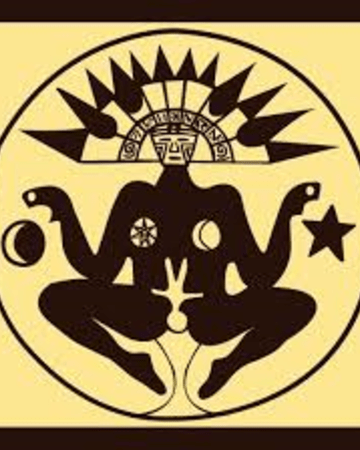
Pachamama derives itself from the language Quechua, Pacha, meaning world, soil or earth, depending on the translation and ‘mama’ meaning mother. Combined, establishing the word ‘mother world’ or ‘earth mother’.
Pachamama is predominantly worshiped on the western stretch of South America, in a region often referred to as the ‘Tawantinsuyu’. Although there is outside worship of Pachamama, something I will delegate some time into later in this section. The religion follows the ancient borders of the Inca Empire, in turn following the Quechua peoples. Stretching from Northern Ecuador, bordering Columbia to Northern Chile. This includes Peru and some of Western section of Bolivia. Following the Andes mountain range.
It is estimated that the population of Queschua people grows and falls depending on the country. The table below shows the rough estimation of the Queschua people in each country.
| Peru | 6.5 Million |
| Bolivia | 2 million |
| Ecuador | 700 thousand |
| Argentina | 55 thousand |
| Colombia | 40 thousand |
| Chile | 14 thousand |

Historically, Pachamama is a religion formed by or at least practiced by the Inca Empire (1438 – 1533). Although there has been some altercations to the religion due to international colonial interference with the Spanish introducing Roman Catholicism in the 16th century, the predominant structure and belief systems have continued throughout.
Pachamama, from my understanding through research gathered online and while in South America back in 2022, is a pagan religion based on the appreciation and reverence of nature. The religion is Polytheist, meaning it is a religion of multiple Gods, much like Hinduism or the religions of ancient Rome and Greece. Pachamama is nature, she is the mother of all. Her son, Inti, is the sun God of the Inca. Her daughter, Mama Killa (Quilla) is the moon Goddess. Both Inti and Mama Killa are married and have their own purpose within the Inca religion.
However, creationism is well routed within the Pachamama religion. Although the lines within the story are blurred. Viracocha, the super-natural being that created everything is also labelled as the being that formed the Sun and Moon? Yet, Pachamama was the mother of Inti (Sun) and Mama Killa (Moon)?
Inti, at least in my understanding, is the Sun God. The second most important in the lineage of Gods. Pachamama being the first. However, other sources indicate that Viracocha is the most important. Either way, Inti is not only the bringer or light, warmth and harvest. But is also the reasoning for Royalty, known as the Sapa lineage. Like here in the West, a King or Queen is appointed by God, known as the divine right of Kings… or Queens. Where members of the Royal house would provide ‘evidence’ to their succession by stating ‘It was God who appointed me, not you peasants so shut up and do what I say or else God will not be happy’. What a way to control a population ey. Inti, appointed the Sapa, however, not by birth right. The Sapa was challenged with multiple physical and moral tests to see if they were from his seed, they are as much his children as Inti is to Pachamama.

There is no wonder such a religion has come from this part of the world, from the tropical white sands of the Pacific coast, the high snow capped mountains of the Andes and the lush, life filled rainforest of the Amazon. The Inca’s were surrounded by some of earths greatest natural landscapes. An appreciation for it is found within Pachamama’s teachings. Nature is, at least in my experience, the greatest commodity this earth possesses. It’s both a destroyer and healer. Live and death. It kills without prejudice and births life without judgement or expectation. While we sore our way into a new world of technology and scientific advancement, we often forget our place among the cosmos. We as a species have become arrogant and often consider ourselves higher than other life forms around us. Pachamama is a lesson in humility, in centralisation and perhaps most importantly our place within the order of things.
While other major religions preach we above the lives of smaller things, for example Catholicism teaches that Humans are made in God’s image. That ‘Whoso sheddeth man’s blood, by man shall his blood be shed: for in the image of God made he man’. Pachamama, preaches instead that all life is sacred, that life is born from the womb of Pachamama and therefore must be respected. For the order of things are not dealt between human and nature, rather that they are both the same. Pachamama is the mother of humanity but is also the mother of all earth.
I would like to put more about the Pachamama teachings within this section of the blog. However there seem to be little to non on the subject available. Perhaps its teachings and philosophy are solely focused on respecting mother earth and that there is little else to talk about. There are no, sexual orientation punishments, or prayers, or limitation on wealth and ‘sins’. It just stats that the earth is special, look after it. Maybe my limited research is wrong and in fact there are further teachings, I have yet to see evidence of this.
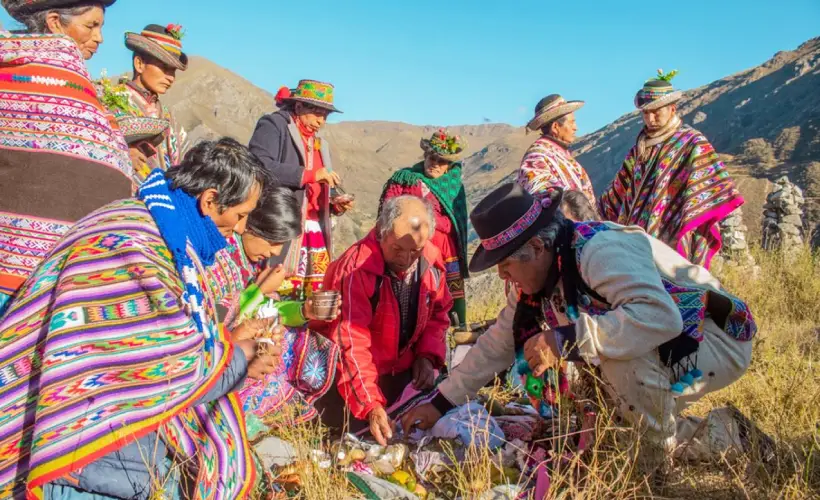
Rituals, like most pagan religions are a corner stone to this Inca religion. The Challaco is one of these rituals. A series of ritualistic steps that honour Pachamama by offering her food, beverages, coca leaves and according to online sources cigars and tobacco. The ritual is performed as a offering to Pachamama, to give back to her for all they have received from her in the year.
Although there is little online about the reality of magic within Pachamama. There are some clear usage of herbal medicine used by its believers to help with mental and physical injury. I talk of course about the famous psychedelic drug known as Ayahuasca.
How much this drug is related to genuine Pachamama practice is largely unknown, at least on the internet. If I was able to conduct and interview with a legitimate Pachamama Shaman on this matter more answers will no doubt be found. Although the Inca Kingdom spread into the Amazon rainforest, the majority of its boarders lined with the Andes mountain range and the western seafront of South America. So whether this was as accessible to those that practiced Pachamama at the pagan religions foundation is unclear. Or has this become a ritualistic medicine from a outside source, introduced at a later date, bastardising the original teachings? Again, this is me coming up against some lack of knowledge within the historical timeline of Pachamama, I am not insinuating anything, rather asking questions that would be great to understand further.
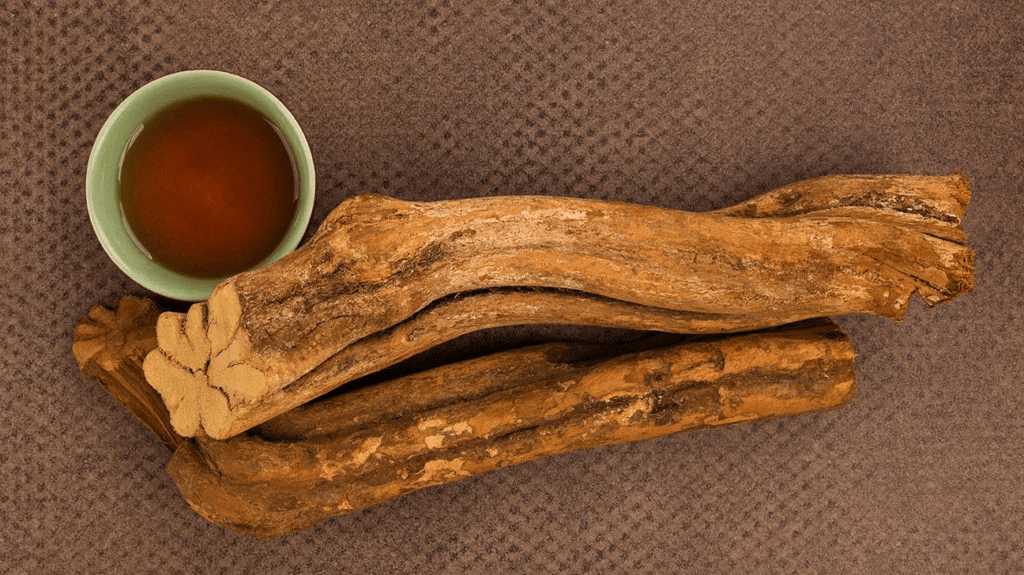
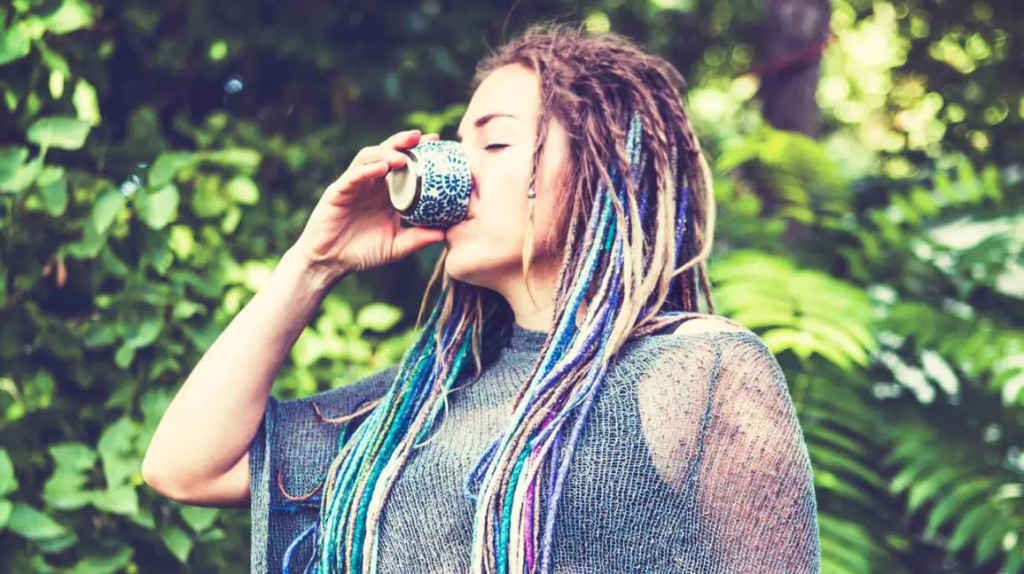
Like most things in indigenous culture, pachamama has been hijacked by bead wearing westerners looking for answers in their busy lives. While the local population use Ayahuasca for medical purposes. Westerners on their gap year have used this sacred tradition as a bucket list excursion.
While I was in the Amazon rainforest, exploring the beauty and the not so beautiful side of this natural wonder of the world. I came across these Ayahuasca tourists. Folks from France, Germany, Denmark, the United Kingdom and United States came to this incredible macrocosm of natural wonder to experience ‘enlightenment’ from one of Pachamama’s most sacred medicines. And as expected, I found nothing but disrespect for the pagan tradition. Although most of these psychedelic tourists highlighted the importance of ‘enlightenment’ and ‘self discovery’, I think the real reason behind the trend was exactly that, trending. I am sure, while throwing their guts out onto a muddy forest floor in front of Pachamama’s priests, known as shamans by most but hold different names depending on location, language and culture, they had an experience like no other and one worth boasting about at their next bar job back home. But, is there any real authenticity in their approach to the sacred ceremony? I think not. It’s just another thing to help them escape their dull, meaningless lives.
I do not necessarily believe in cultural appropriation, I do not believe you can own a hair cut or a dress sense. I mean look at the ancient world, Romans stole from Greeks, the United States stole from Roman architecture and so on. However, there is a sour taste in my mouth when I watch westerners joyride sacred traditions for likes and follows and bragging rights at parties.
I am left with more question than answers while researching Pachamama and I hope that one day I could be enlightened by a member of the Queschua peoples, in hopes of understanding the pagan religion further.
Africa
West African Voodun/Vodou (Voodoo)
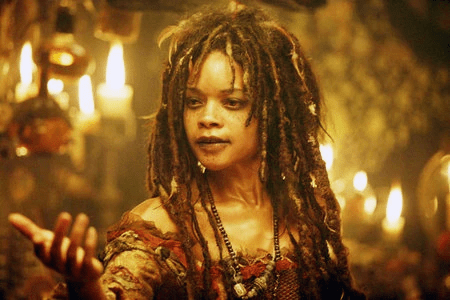
This may be the most complicated and awkward topic in my blogging history. Although, other topics have been difficult. Voodun/Vodou or voodoo is a pagan religion that I think has the most amount of mystery and propaganda attached to it. As stated previously Westerners, much like myself, have a pre-established concept of what Voodoo is. We picture leathery shrunken heads, murky jars of eyeballs and knitted Voodoo dolls with long pins stuck into their fluffy flesh. We imagine curses and incantations of old languages not found on our google translation app. Wild men and woman dressed in skull face-paint dancing around the carcase of a fresh exotic animal, some of us may even go as far as perceiving cannibalism among the ranks of this mysterious pagan religion.
Also, do not be ashamed to imagine such stereotypes because we are force fed these narratives from the media. None of us are immune to the powers of influence, just check out my blog post on social media if you wish to see the power it has on the human condition. https://wordpress.com/post/unchartedthoughts.uk/625
The word Vodun/Vodou or Voodoo emanates from the Gun, Fon and Ewe languages of West Africa. Ghana, Togo, Benin and Nigeria are all countries that today make up the landmass in which these languages are spoken. The word Voodoo means ‘Spirit’, and is practiced by the Aja, Ewe and Fon peoples. However, other versions of the pagan religion have sprouted across the Caribbean Islands.
It is speculated that there are over 50 million Voodoo worshipers across the globe, of which the majority come from West Africa and the Caribbean islands.
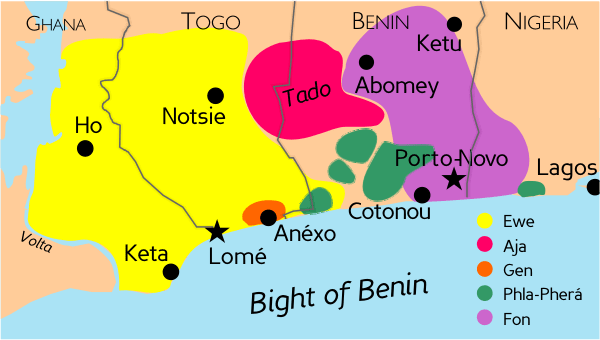
A little background and exposition for you. As we are all aware half the globe was carved up by European powers in the 15th century and did not cease until the end of the second world war. Amongst this power struggle, was the ‘scramble for Africa’. Seven of Europe’s most powerful countries began to sculpt out the lines of colonial rule within this mineral and culturally rich continent. France, Germany, Italy, Portugal, Spain, Belgium and the United Kingdom all rushed to grab themselves a piece of this pie. The countries we are looking at today were colonised by Great Britain, Germany and France. Ghana and Nigeria were both occupied by the British Empire. Togo was seized by the Germans (until 1919) which it was then split by France and the United Kingdom. Finally, Benin was colonised by the French Empire.
The export of rubber, ivory, gold, diamonds, oil and timber made colonial motherlands rich. Slavery, although abolished in 1834 by the British and later across most of the world was one of the leading business ventures within Africa. Slaves were purchased by colonial masters, transported to the masters own lands, or to the lands of other establishing countries such as the United States and sold to the highest bidder. This practice destroyed cultures, religions and communities, and as we are about to discover, has a lasting affect on pagan religions. However, in some small cases, slaves transported pagan religions were brought new lands. Voodoo was transported to Haiti in the hulls of slave ships crossing the Atlantic. There, it waited, and later grew. This gave birth to Haitian Voodoo. A sect. Much like Christianity has sects, such as Protestantism and Catholicism. Voodoo grew. Haitian Voodoo, Santeria (Cuban Voodoo), Louisiana Voodoo and Hoodoo, a form of Voodoo practiced throughout the southern states of the US, all came from slave ships bound for the new world. For the sake of this blog I will refer to each version of the pagan belief as their give names. The stand alone Voodoo, however will remain from West Africa. After all that’s what this section is predominantly about.
Religious syncretism is essentially the blending of two religions. As seen throughout indigenous cultural history, with the arrival of a larger, or monotheist religion the lines between pagan and mainstream religions are blurred. For example, ancient Rome merged the Greek God Apollo into their belief system. Or as previously mentioned, the Inca Pachamama religion, where the Virgin Mary is symbolised as mother earth in some accounts.
Voodoo is no different. Upon the arrival of missionaries and religious zealots on the tropical shores of West Africa, Christianity flourished. Hammering its way through indigenous cultures like a plague. As stated before, Voodoo was transported across the Atlantic to the Caribbean Islands, there it took new life.
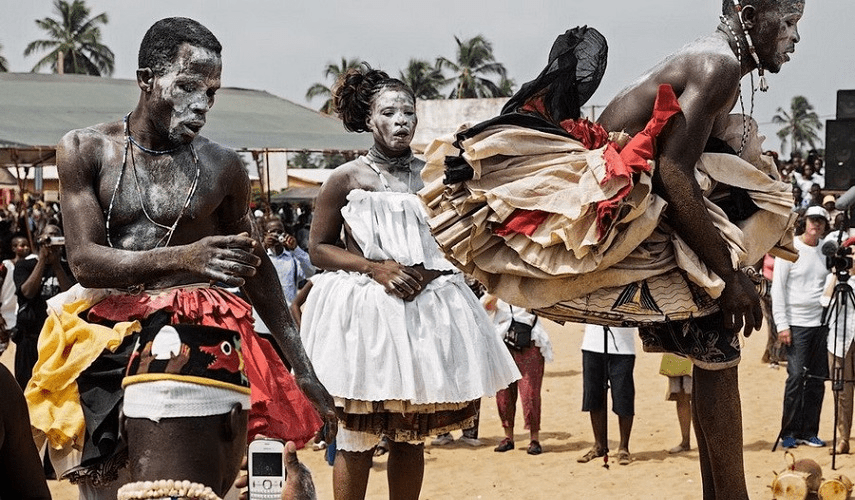
Lets start with Voodoo beliefs. Voodoo, seems to be a monotheist religion, believing in a singular God known as a Loa, another word for God. This singular entity is called Bondye and according to sources is the creator God of the Universe and all life. Bondye is to some extent represents itself around a Deism perspective. That God, or or should I say this Loa, does not interfere with human affairs. Instead Bondye, uses vessels known as Lwa to impose his will or message.
Lwa are spirits that walk upon the earth in different shapes and forms. Ceremonies and days of celebration are fixated on worshiping Lwa rather than Bondye. This idea of a non verbal God, or should I say Loa, and praying to other deities rather than the creator itself is seen in some areas of Christianity. Here Christ is who we are advised to address rather than God in prayer as God no longer wishes to communicate with humans. Although I would very much like to explore each and every Lwa the Voodooians have to offer. There are over a thousand, each of which have their own original worship and lore.
To make this more accessible to the masses Lwa are split into seventeen different groups known as a Nanchon. However, it is unclear if this is considered a West African tradition or Haitian Voodoo condition. Perhaps this is Catholicism’s attempt on downplaying the vast and extensive lore and complex juggling of the thousand plus religious deities. Instead, placing them into schools. Much like the Saints of the Roman Catholic church. Once again, I would like to go further into these Lwa, but the internet for once has little to provide when it comes to sources and if I do manage to get some headway, it is unclear if the tradition is West African or Haitian or elsewhere. I do not really want to produce any information that will add to the already altered western narrative of Voodoo.
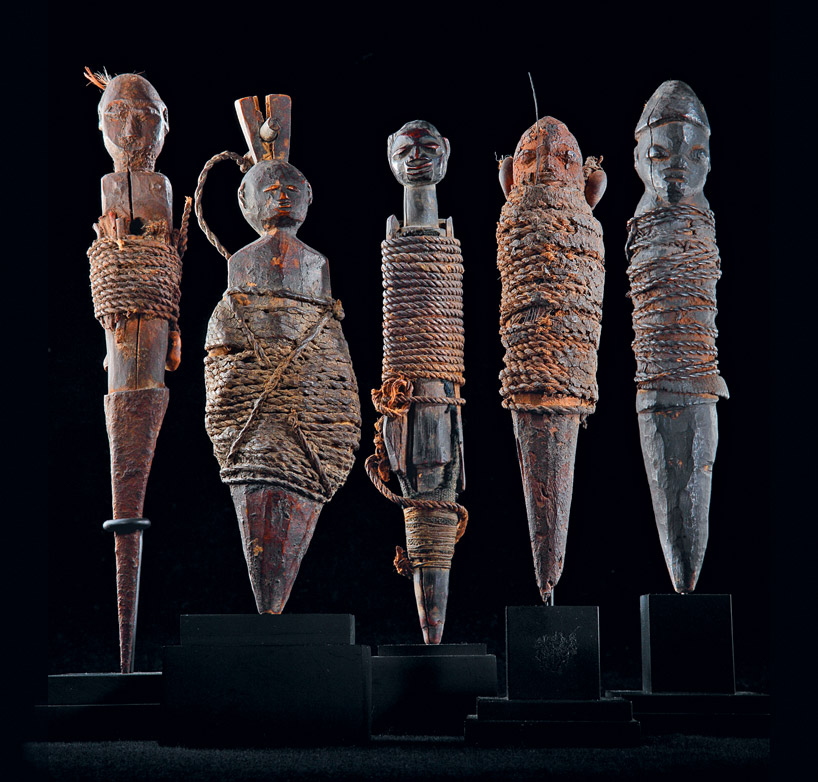
I don’t think there are as many misconceptions about a pagan religion as there are about Voodoo. While the likes of Childs Play, Spell, The Skeleton Key, Pirates of the Caribbean and Harry Potter bless out screens with horror and wonder, the harm this has caused Voodoo on a global scale is unparalleled and in most cases irreversible. From Voodoo dolls, shrunken heads, creepy sacrifices, zombification and possession, the silver screen has done it all. However, how close are these representations to reality. Well as you can probably guess, its not very grounded in reality at all.
Voodoo dolls.
Arguably the most iconic part of Voodoo within popular culture is the creepy doll, our imaginations are filled with images of an old black lady on the corner of town prodding a stuffed doll with needles. Known as a Voodoo doll, these objects of horror usually possess the hair of an enemy that has wrong this particular user. With this hair, the soul of the person is captured within the doll and will therefore act in accordance to the doll, or to the master of the doll.
Well as you can imagine the Voodoo Doll has nothing to do with the Voodoo religion. Although there are ornament statues made within the religion for the purpose of capturing souls, at no point are these dolls used for manipulating the souls of other living being, or using pins to torture them. Where this idea has come from, no one really knows. However, it has tainted this West African pagan religion with a scar of horror and sadism.
The ‘dolls’ that are traditionally used within the Voodoo religion are usually talismans or visual representations of their Lwa spirits. It is speculated that perhaps the Nkisi, sculpted figures from central Africa, are the inspiration of Voodoo dolls in Hollywood. A Nkisi is supposed to hold the spirits of the dead, often encased with barbed or studded attire, making it look as though it has been penetrated by metallic objects.
Shrunken Heads
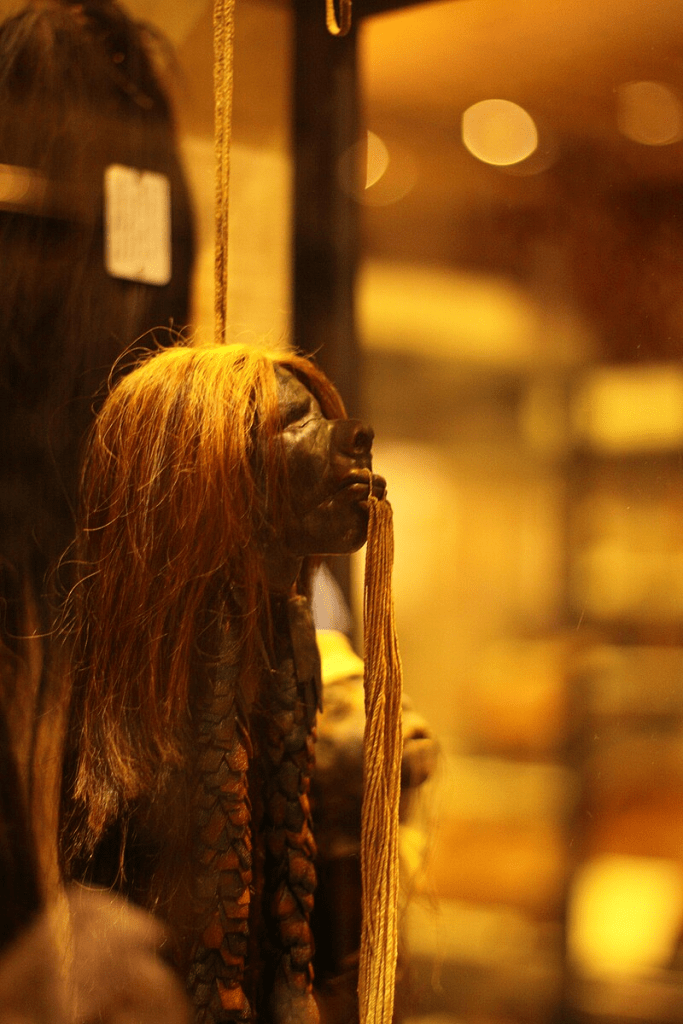
Again, the idea of Voodoo woman or tribe having shrunken heads within their dwellings is often depicted in media for horror affects, and again it works in favour for the narratives in these films. In Pirates of the Caribbean, Captain Jacks Father (Captain Teague) is seen with a shrunken head as Jack asks about his mother. In Harry Potter, when the super trio are walking into a local magical bar in Hogsmeade, they are rudely asked to leave by three shrunken heads, additionally, the almost blind driver of the night bus has a shrunken head companion… of which support a thick Jamaican accent. Alluding to the speculation that they are part of the Voodoo religion. This couldn’t be further from the truth.
Shrunken heads have as much to do with Voodoo as a statue of Buddha. Shrunken heads originate in South America, not from Africa.
Sacrifices
Sacrifice is a part of the Voodoo religion. Unlike Voodoo Dolls and shrunken heads. The practice of sacrificing an animal to the Lwa is very much built within the traditions of Voodoo. Animals are meat, meat is food and food is the energy of life. Although I do not know the nature of the sacrifices, I have read online that the majority of them seem to be offerings to the Lwa as a thank you and as a blessing. In the western world where slaughter is done behind closed doors. In West Africa, the killing of animals is not a sorry sight, it is how the people there eat and live. Without killing, there is no food.
Bantu

I don’t wish to go on a tangent about Africa, because this blog is about pagan religions, not my travels. However, after seeing this photograph, I can’t help myself. Africa, is without doubt one of the most incredible places I have had the luxury of going to and I would advice each and everyone of you to visit. Sunsets like this are a everyday occurrence, the people are incredibly hospitable and there is a feeling there that I’ve not had in any other country so far. A feeling of home, away from home.
Anyway, apologies, lets continue with out discovery of pagan religions throughout the world. Continuing on with Africa. However, moving further East and South. This section of the blog will be focusing on the Bantu religions.
Like most pagan religions this one isn’t as straight forward as the ‘bigger’ religions of the world. Bantu is a people, a collection of peoples even. Christians for example come from any race. There are Christians in Africa, Asia, Europe and the Americas. Bantu, is a collection of people sharing similar genetic makeup. They are spread out across central Africa and beyond, comprised of hundreds of languages and cultures across the continent. To name the counties these peoples come from will take up the majority of the wordcount on this blog, so to name a few:
The Democratic Republic of Congo
South Africa
Kenya
Zimbabwe
Rwanda
Namibia
Botswana
Cameroon
Somalia
Uganda
Malawi
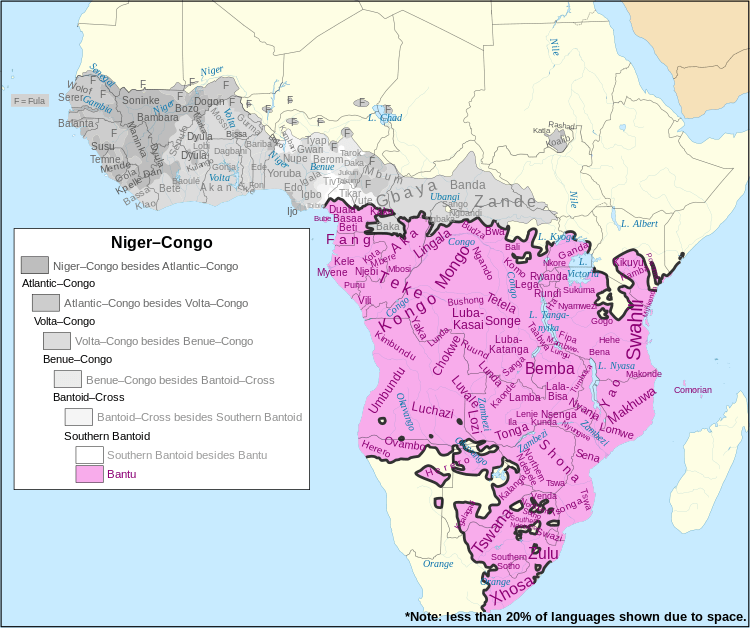
It is important to mention here that I will be brushing over this religion without precision. There are, as mentioned before, hundreds of different dialects, boarders, genealogies, translations and regions that make up the Bantu peoples and their beliefs. So if I state a fact here about their belief, it may not cross over to some of the other subcategories of their religion. I may stat that ‘Bantu believe in so and so’ this will not be the case for some, or perhaps the majority of the population of Bantu. To provide detailed individual beliefs, I would have to travel across Africa for a number of years, talking to the Bantu peoples. Interview and translate thousands of people and still, potentially do harm to a ancient religion that may not be logistically able to translate back into English due to our very broad language. So take from this, a non detailed, very poorly educated version of these religions and do not take any of these words as gospel. In a perfect world, I’d travel to Africa and interview people while having learnt hundreds of languages. But, I am just a poor chef, looking to become a journalist.
Moving on; lets talk about Bantu beliefs, at least what I am able to figure out while traversing the internet. Unlike Christianity, Islam and Hinduism, it seems that there is no singular name for their religion. So for the sake of this blog I will call the Bantu religion Bantuism… wrong to do? I don’t know. Will applying this name to a religion on a small blog on the corners of the internet have an effect on their religion, I doubt it, but once again, just in case, I will strongly say, THIS IS NOT THE NAME OF THE RELIGION, only something to make it easier for us to understand on a lower level.
Bantuism, is a largely a polytheistic religion. Built up by folklore and traditional beliefs and legends, this religion is, for the most part spread by oral testimonies rather than a scripture. Meaning that the lore of their Gods and creationism is communicated through word of mouth. This could well be the reasoning behind such diversities within the religion, as stories spread, new aspects to the songs and tales could alter from the original telling. An example of this large scale complex religion and how interpretation of it can change over landmass can be heard in the name of the religions most powerful deity. Nyambe, is the name for its God of the sky, as is Nzambe, or Njambe, or Nzambe a Mpungu, or Mulungu or, Modimo and so on. All of these Gods come under the same banner as the God of Gods or the Sky Father. This one single demonstration shows how vast this religions belief systems can go.
Although there are often clear indications when most religions begin, with Bantu, there is no clear timeframe of its origin. Some records indicate that the Bantu people came from Cameroon and Nigeria some 3500 years ago, around 1500 BC. However, there are some who speculate that the names of the Gods can be traced back as far as 6000 BC. Which surpasses the Egyptian religion Kemetism by some considerable time. Even Hinduism, often considered the ‘oldest’ religion finds its routes around 2300 BC. So, is Bantuism the oldest religion on the planet? Is it perhaps a religion that goes back further than we can imagine? Was it the real, first religion? Who knows. Unfortunately due to the oral tradition of story telling and song, historians are truly at a loss to when this religion started and how.
With the migration of the Bantu people from Cameroon and Nigeria south. The original, unfiltered, virgin version of the religion is no doubt lost to time. Although it could be argued by some that if we were to explore the Cameroonian and Nigerian versions of this pagan religion, we could find a truer source to its beliefs, this is false, religions often merge to form bastardisation versions of themselves. As seen with Pachamama, with the introduction of Islam, Christianity and however many other religions that have come across the path of Bantuism, who knows how edited this religion is from its former self. Who knows, it might be going through a renascence itself right now…

While it is vastly believed that Nyambe is the creator God, and often the God of Gods, much like Voodoo, there are hundreds of deities that are prayed too by the Bantu. Much like Voodoo also, it is widely perceived that Nyambe has moved on from the earth and has little to do with human affairs. Its reasoning for abandoning humans varies, however there are some sects of the religion that believe it is because humans were somewhat of an annoyance to it. Anyone that works in hospitality can vouch for this one.
Bantuism is, for the most part a Animistic religion. Meaning it believes that there are spiritual powers within all things, from rocks, plants to the weather and man made items. Once again we see another connection to Voodoo, as both believe in natures power and the fact that objects can harness power and spiritual meaning.
Europe
Wicca
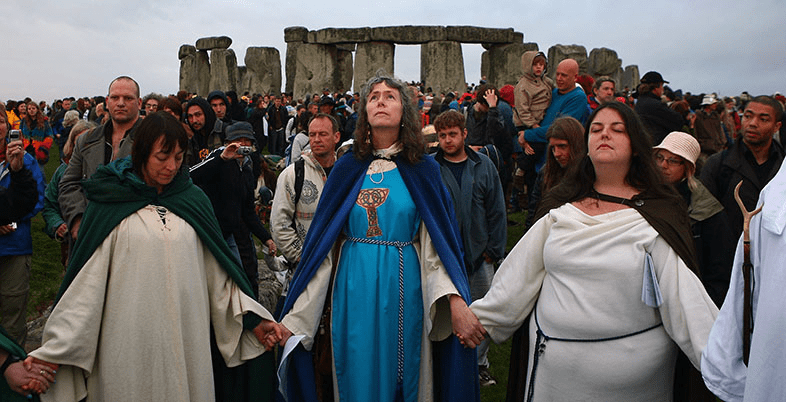
When most of us think of pagans, we think of these people. Men and Woman who dress up in long robes, dancing around a tree while staring directly into the sun. To be honest, this was the reasoning behind this blog post. While studying the Malleus Maleficarum, I delved deeper and deeper into the beliefs of Germanic witchcraft and ended up here, at the Wicca.
When I was born in Devon, my father used to go hiking a lot with my cousins and his oldest son (My Brother). They’d trek up onto Dartmoor and camp out for the night, building shelters or taking a tent with them for the evening. This is something that as passed through out family as a tradition, we all love the outdoors and hiking. Although my father is no longer a hiker as such, he recalls some great tales from his time out in on the moors. One such tale involves the Wicca people. He was camping in some woodland, just North of Princetown with his eldest son and my uncle. He woke up early and decided to walk to the top of one of the tors by himself. As he reached the top of the tor, the sun starting to rise in the East, projecting a pink and orange sky. He witnessed a white shadow walking across the long grass below, squinting through sleepy eyes, he noticed it was an old bearded man dressed in white ropes. He had a walking stick and a strange tent, a tipi almost. Dad watched him from afar, confused by what he was seeing. Now, some thirty or so years later, it is clear that what he saw was a Wicca wizard.
This isn’t the only sighting of the Wicca that our family has had. One day, my cousin and I were walking through Burrator Reservoir, a famous landmark in the Devon landscape. We found ourselves a nice patch of grass to sleep on amongst the dense woodland around us. It was perfect, a small patch of flat grass, amongst ancient woodlands, with a river running past some ten or so meters East. We had got there late, dusk. Half drunk due to a cider festival we found earlier that day, we pitched up, ate and told stories around a small fire before falling asleep. When I woke up, I stepped out the tent, stretched and found four half used candles on the tree branches next to us. We had not seen them the night before, strangely. However, although I’d like to say that we were accompanied in the night by Wicca wizards, I think our perception was not at its finest the night before and our drunken eyes did not see then statues of wax by our beds. Moving on…
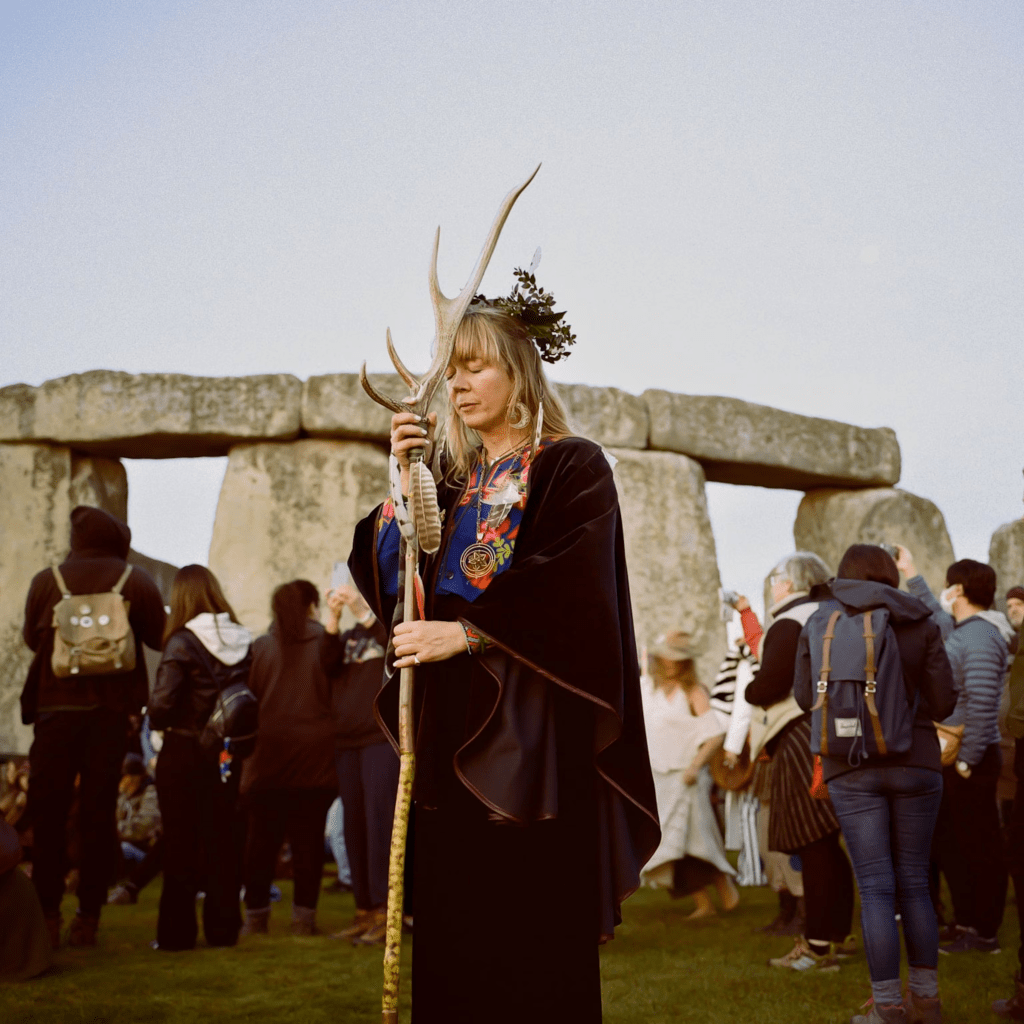
Possibly the rarest, and by far the youngest, practiced religion on this list is Wicca. Although the numbers of practicing Wicca people are largely unknown, speculative polls from 2021 suggest that within the U.K. there are over 12.000. However it is suspected that this number is vastly misrepresented. Data maps, as shown below, from other sources predict that counties such as Devon, Cornwall and Ceredigion are vastly populated by Wicca/Witchcraft followers. The largest population outside of the U.K. is crowned by the United States. Among the cities, suburbs and outback country of the US, there are rumoured to be between 800.000 to one million Wicca members.
The history of Wicca is complex, full of twists and turns. In the early 20th century a man called Gerald Gardner popularised Wicca and Witchcraft within Britain. Gardner, much like many other Occultists was blessed with wealth and privilege at his birth and was well travelled due to his asthma and the need for warmer climates. While travelling he was exposed to many different cultures and religions, which no doubt planted a seed within his spiritual.
The story of the New Forest Coven is legendary within the Wicca origins. According to Gardner, in 1939 while exploring the the New Forest in the South of England, he came across a coven of witches. He was welcomed into their coven and from these witches and their teachings he began his journey into Wicca. The witches practiced a religion called Witch-cult, a long dead religion that had survived in secret the Christianisation of Britain. That a secret society of witches had lived on through the years in secret was not impossible, however, it was a deadly secret. As witch hunts had continued throughout Europe and beyond since before 1735. See my blog on the Malleus Maleficarum here; https://unchartedthoughts.uk/2024/02/06/i-read-the-most-evil-book-so-you-really-dont-have-to-youre-welcome/
This origin story by Gardner is heavily criticised by historians and critics of the Wicca faith as there is little evidence to support such a claim. Although I am not here to support or discredit any of these religions as I think the practice is at the core of some peoples faith and its not my job to shake that faith. It is often believed that Gardner understood the importance of structure within religion, and that he needed his own origin story for Wicca and landed on this as a building block for his new found religion. This tradition of building a foundation for a religion can be seen in Scientology and the Mormon faith. However, having said that there are a number of historians that believe this origin of a Coven in the New Forest can not be swept to one side completely.
Although Gardner’s life is well documented, little information about the Coven was ever released. Except in 1940, where he sighted that the Coven was partially responsible for the failure of Nazi invasion into Great Britain as the Cove practiced a magical ceremony named ‘Operation Cone of Power’. In which the Coven raised the Cone of Power and pointed it in the direction of Germany. Telepathically sending messages to the German leaders that they will not be able to invade Britain. According to Gardner, two of the Witches died after the ritual took place.
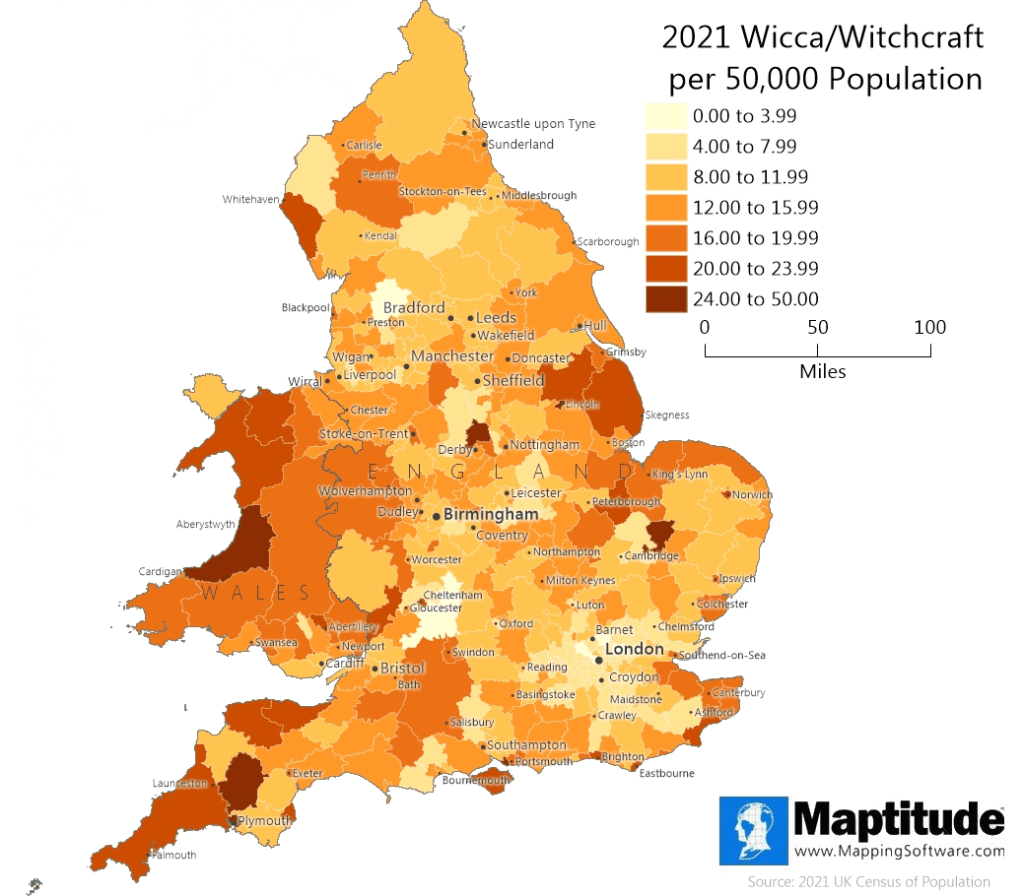
Source: 2021 UK Census of Population.
So as a small recap. A rich guy travelled the world, found interest in pagan religions. Returned to England, started hanging out in secret societies and learning old religious beliefs from a Egyptologist, Archaeologist, Anthropologist and Historian, Margaret Murray and eventually started Wicca.
So what do these Wicca believe? Well, there are numerous sub sects of Wicca, so naturally its not as simple as ‘What do Wicca believe’. There is the ‘Neo-Wicca’ (New Wicca) and the Traditional Wicca (Gardner and Alexandrian Wicca).
Neo-Wicca, is applied to worshipers who have applied any additional ‘teachings’ following Gardner or Alex Sanders, another Wicca leader. Neo-Wicca often gravitates towards personal worship. There are less fixed traditional guidelines and practicing members are able to practice in whichever way they see fit for themselves. Additionally, the mix and matching of Deities are often found within Neo-Wicca. For example a practicing Wicca member could have a alter dedicated to Thor, the God of Thunder from Norse Mythology. While wearing a symbolic ring with the scythe of Saturn, the Roman God of time, wealth and agriculture. Additionally, next to this worshiper may be the stone bust of Amaterasu, the Shinto Goddess of the Sun.
It seems as though this is a very tolerated spiritual pagan sect that allows the worship of whatever deity people please, whichever speaks to them spiritually. This is also seen in the Witchcraft they preform, if, they do preform it at all, Neo Wicca perform Eclectic Witchcraft, meaning they can mix spells and incantations to their own preference. As stated before, this is were a lot of South American Pachamama comes into play with Western practices, Ayahuasca being the main source of ‘access to the magical dimension’.
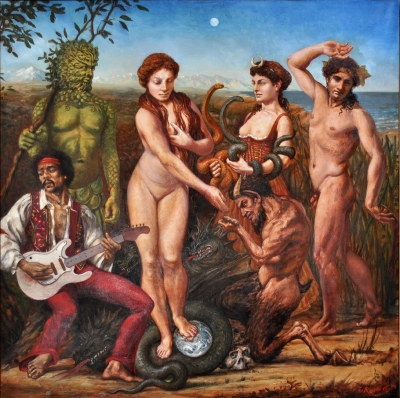
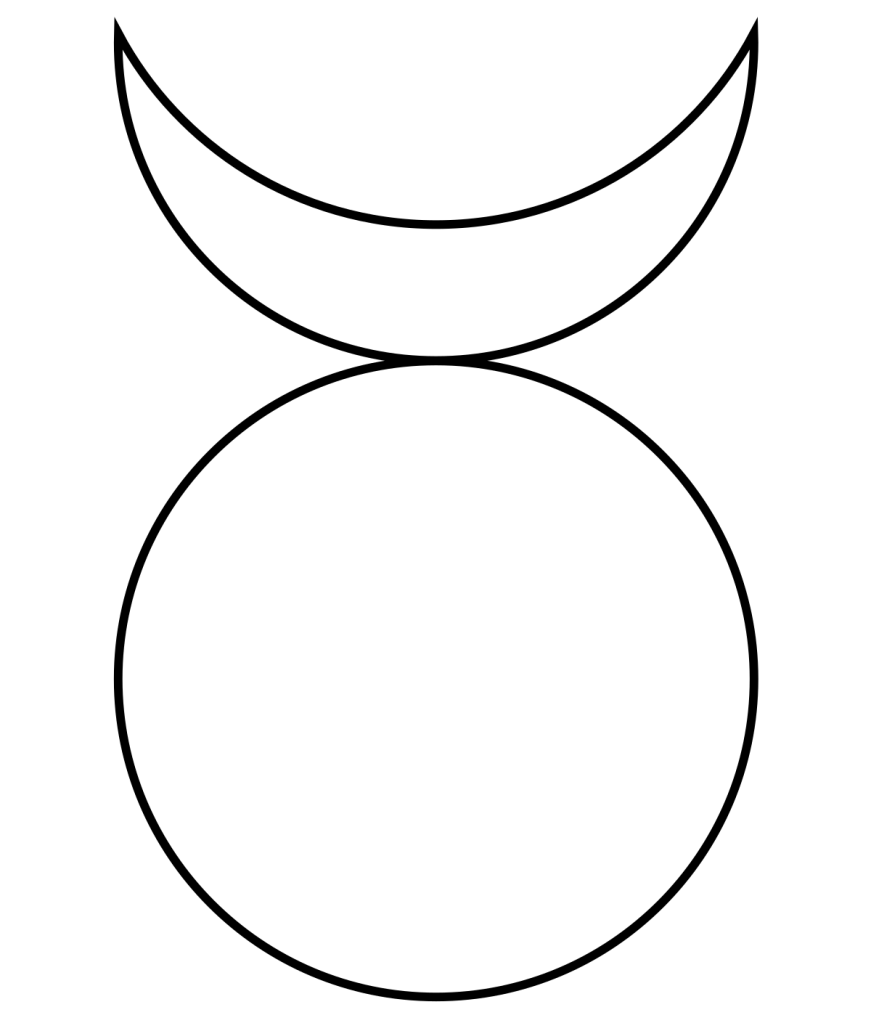
Traditional Wicca is bound by the guidelines of its creators, or adaptors depending on what you believe. Sometime in the 1940’s and, or 50’s Gerald Gardner wrote a lengthy book called ‘The Book of Shadows’. In which the Traditional Wiccans use as a guide line to their faith. In addition, they believe in two Deities, the horned god called Pan, and the Moon Goddess called Hecate (The Triple Goddess). Additionally traditional Wicca is not joinable by any member of the public, there are initiations that must first take place before becoming a member of a Coven.
In the 70s an another branch of Wicca was formed called Dianic Wicca, a feminist branch to the Wicca tradition, predominantly practiced in the United States. Here, only female Wicca’s can be leaders and it is unclear if members must be also. They worship only Goddess’s.

Just a little chat
So, that is the end of part one to my brief introduction of pagan religions across the world. We have Visited Africa, South America and Europe so far on our tour across the world. I hope to introduce another European pagan religion to start us off on part two and then venture into Asia and Oceania for some incredibly ancient pagan religions.
If you have found this interesting and would like me to delve further into any of these beliefs please feel free to comment of Email me at Jackclivesmith@gmail.com. I will be more than willing to delve into these with more detail on an individual basis.
 Uncharted Thoughts.
Leave a comment